Three white wine blends by Niagara wine icons showcase
the art of blending in a cool-climate.
A Broader View on Canadian Wine
Some Canadian wine producers believe that by focusing on a core five varietals - Chardonnay, Riesling, Pinot Noir, Cabernet Franc, and Gamay as single-varietal expressions is the best way to catapult Canadian wine to its highest potential on a global stage. The majority of our winegrowing regions tailor to these 5 specific grapes by imparting the combination of cool-climate freshness and mineral-driven sites that showcase Canada’s best and most expressive wines. While this idea tends to be agreed upon by wine professionals, there are wine styles still imperative to the Canadian wine industry as a whole that cannot be overlooked. Before pigeonholing ourselves completely, we need to expand our lens on what Canadian wine is, which is at the very least, a versatile spectrum of grapes and styles that are capable of producing fine wine.
A Winemaker’s Decision to Blend
Blending for Complexity, Intrigue…and Fun!
What makes a successful blend greater than the sum of its parts? Blending different grapes can create balance, texture, character and above all, still translate a sense of place in the glass. Inniskillin winemaker, Nicholas Gizuk says, “For me, a blend becomes greater than the sum of its parts when the individual wines stop standing out as separate components and instead create something new. During blending trials, we're not simply combining wines; we're looking for synergy. A successful blend has better balance, more complexity, and a longer finish than any of the individual lots on their own.”
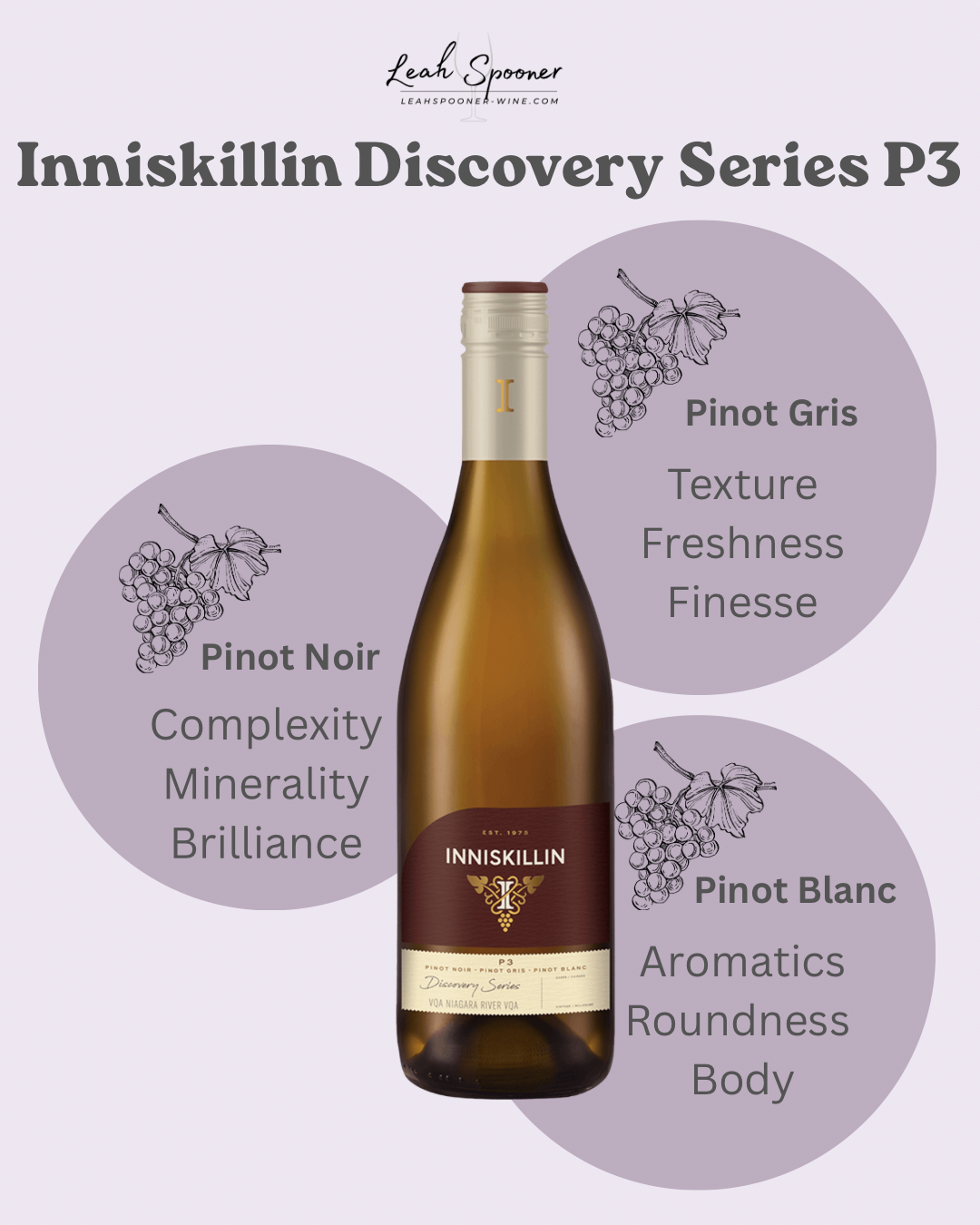
This P3 is an unconventional blend of Pinot Noir, Pinot Gris, and Pinot Blanc. These three grapes are blended together to create a layered wine, while expressing Niagara’s endearing characteristics and terroir in the glass.
“The blend allowed us to create layers of flavour and structure that we couldn’t achieve to the same degree with a single varietal wine. The discovery series it about the artistry side of winemaking and making something that is creative, fun and unique. ”
Blending for Balance and Accessibility
Blending grapes for a final wine allows more freedom both from the winemaker’s point of view and the consumers. For instance, winemakers can harmonize grapes to craft approachable, friendly wines that not only showcase balance, but also can reflect their specific winemaking style and talents. Additionally, blended wines offer ease to buyers that are looking to purchase a versatile wine to be enjoyed by a group of people, seem less intimidating, and offer a smoother drinking experience.
In some cases, white wine blends are crafted to reflect a much-loved style that consumers are already familiar with and will actively seek out. The Jackson-Triggs Grand Reserve White Meritage is a prime example of a classic white Bordeaux-blend that includes Sauvignon Blanc and Semillon.
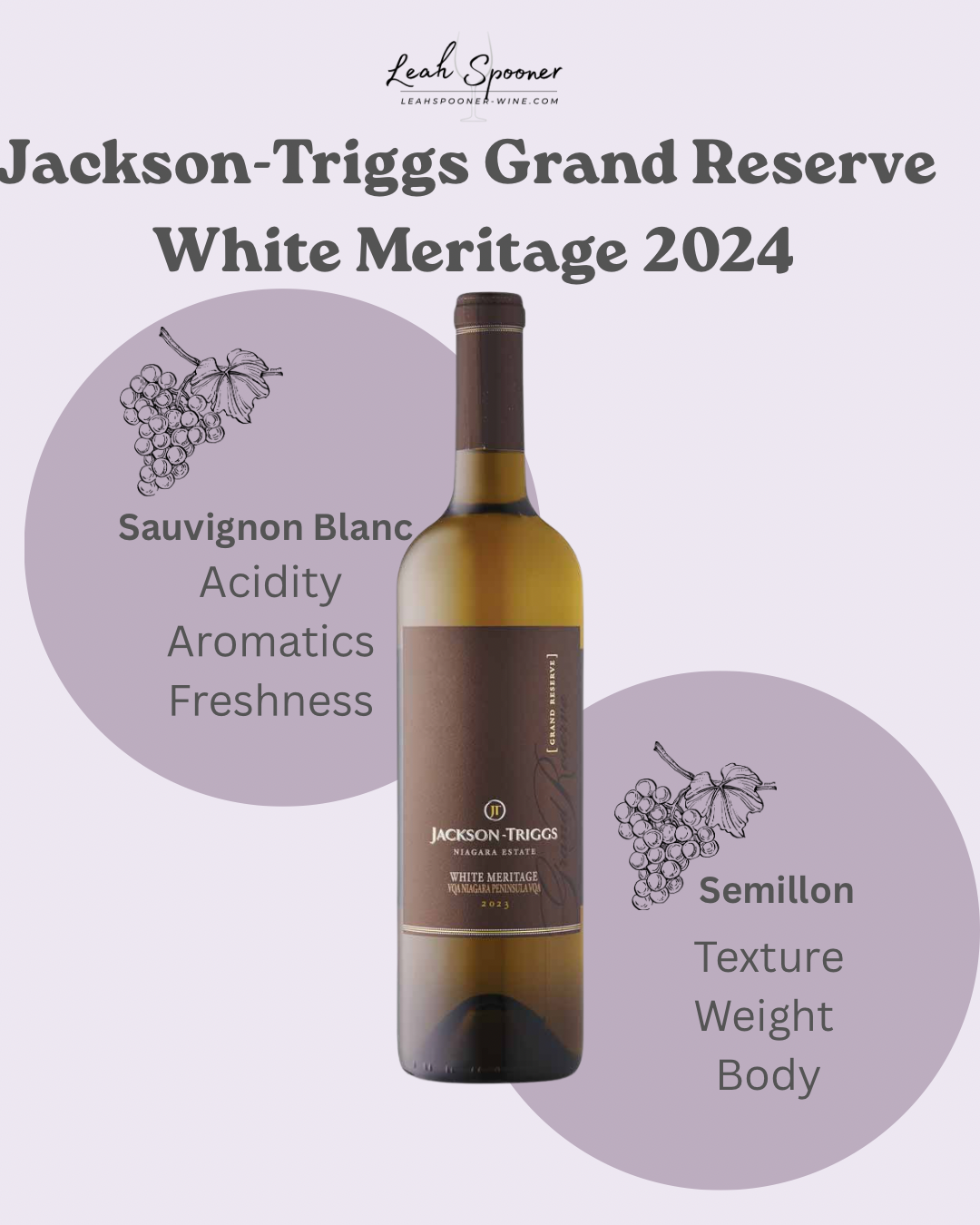
This Bordeaux-style blanc blend combines Sauvignon Blanc and Semillon to create a fresh, medium-bodied white wine with a soft mouthfeel. The Niagara take on this classic blend displays a brisk acidity and minerality unique to the region.
Blending for House Style
“Blending is also an important tool for managing vintage and climate variation. Every growing season presents different challenges and opportunities, and varieties can respond quite differently to weather conditions. Variation can happen by variety but also by site from extreme weather events like hail, frost or bad fruit set that may adjust how much fruit is available to us as well… We can adjust for differences in acidity, ripeness, aromatics, and texture. This helps us maintain a consistent style while still allowing each vintage to express its own character,” explains Gizuk.
Love white wine? Click here to discover the whites of Cotes du Rhone
The importance of this notion for wineries in Niagara when it comes to blending is monumental. Reflecting what each vintage has to offer in the bottle, while maintaining the very essence of Niagara, while simultaneously conveying a house style. In the case of KEW Vineyards, their signature sparkling wines do just that, and as a result have attracted somewhat of cult following. KEW Vineyards winemaker Phillip Brown explains, “The Kew Tradition blend helps to create a house style that consistently displays the drive and elegance you can achieve with our Beamsville Bench vineyards. When you have a large sparkling program like we do at Kew, the Tradition blend tends to be one of the first wines that the consumer engages with. Because of this it needs to make an impact as it has the important role of peaking the consumers' curiosity to explore the rest of the lineup”.
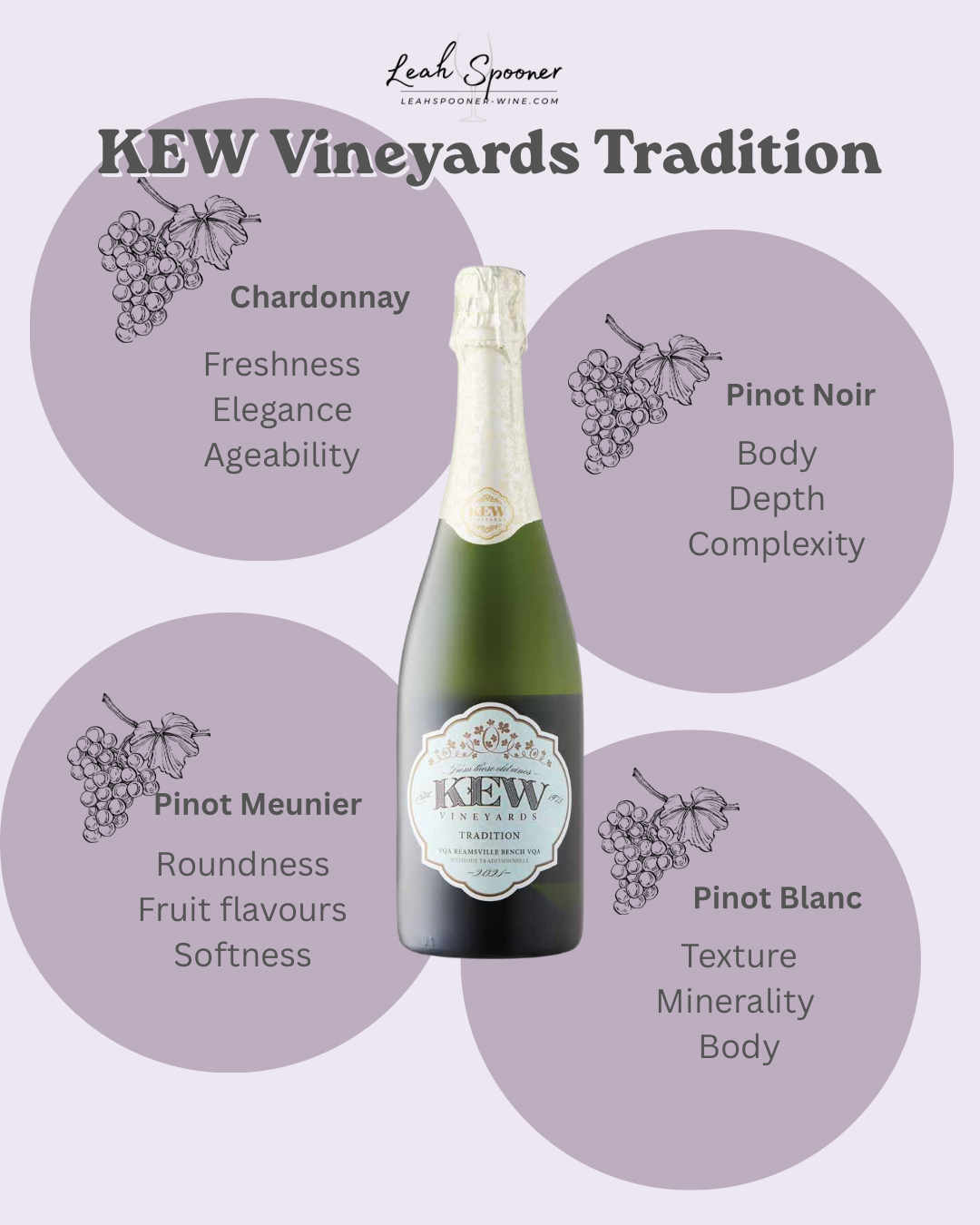
This sparkling wine is a cuvee of 49% Pinot Noir, 23% Chardonnay, 22% Pinot Meunier and 6% Pinot Blanc. Each grape is added to the final blend and crafted to keep a house style in focus that has been adored by Canadian wine lovers for years.
“For me it’s about what I am looking to draw out of the final wine and that comes down to the distinction between purity and complexity. Sacrificing the purity of a single varietal Blanc de Blancs or Blanc de Noirs, has merit here because having the play of our three traditional varietals, Pinot Noir, Chardonnay and Pinot Meunier all help contribute to a complete wine that has freshness and elegance, that has structure and depth and ultimately balance through these layers of complexity.”
Exploring Niagara’s Diversity and Winemakers
By discovering some winemaker’s choices in approaching blending in Niagara from the above, it’s apparent that seeking out local white wine blends can be a rewarding venture. This wine style gives the opportunity to explore a wider variation of grapes and styles that are grown and crafted with clever intention, while also giving further insight into the people and wineries behind these Niagara bottles that contribute to an overall regional profile, as Gizuk explains perfectly: “White blends remain an important part of the Canadian wine landscape because they provide both flexibility and creativity. Canada's cool-climate growing regions produce a wide range of white varieties that can complement one another exceptionally well. Blending allows winemakers to highlight the strengths of different grapes and craft wines with complexity, balance, and versatility. It also gives consumers an opportunity to experience wines that don't fit neatly into a single varietal category, often leading to some of the most unique and interesting expressions from our regions.”
Three Niagara White Wine Blends to Try:
Inniskillin Discovery Series P3
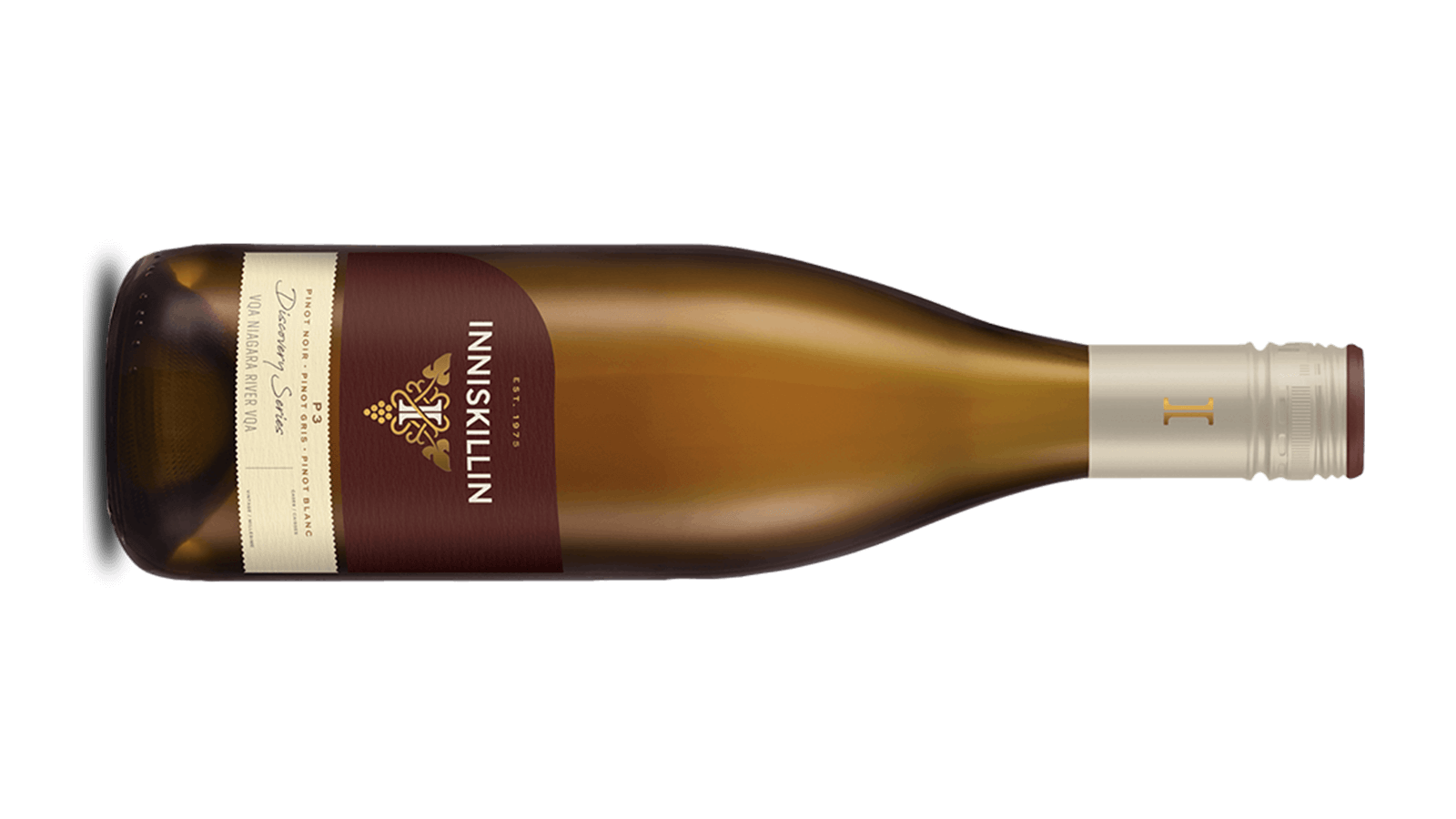
This is a sustainably grown, three-Pinot blend from Inniskillin’s Discovery Series that opens with aromas of tomato vine and strawberry fields. The palate begins with bright citrus notes that include orange and mandarin, followed by zippy lime zest. Pineapple, nectarine and dried herb flavours come in to play on a weighty mid-palate adding even more layers. Textural, mineral, with juicy acidity. Ginger root adds a slight nip on a lengthy finish. This blend is just as cerebral as it is enjoyable.
KEW Vineyards Tradition 2021
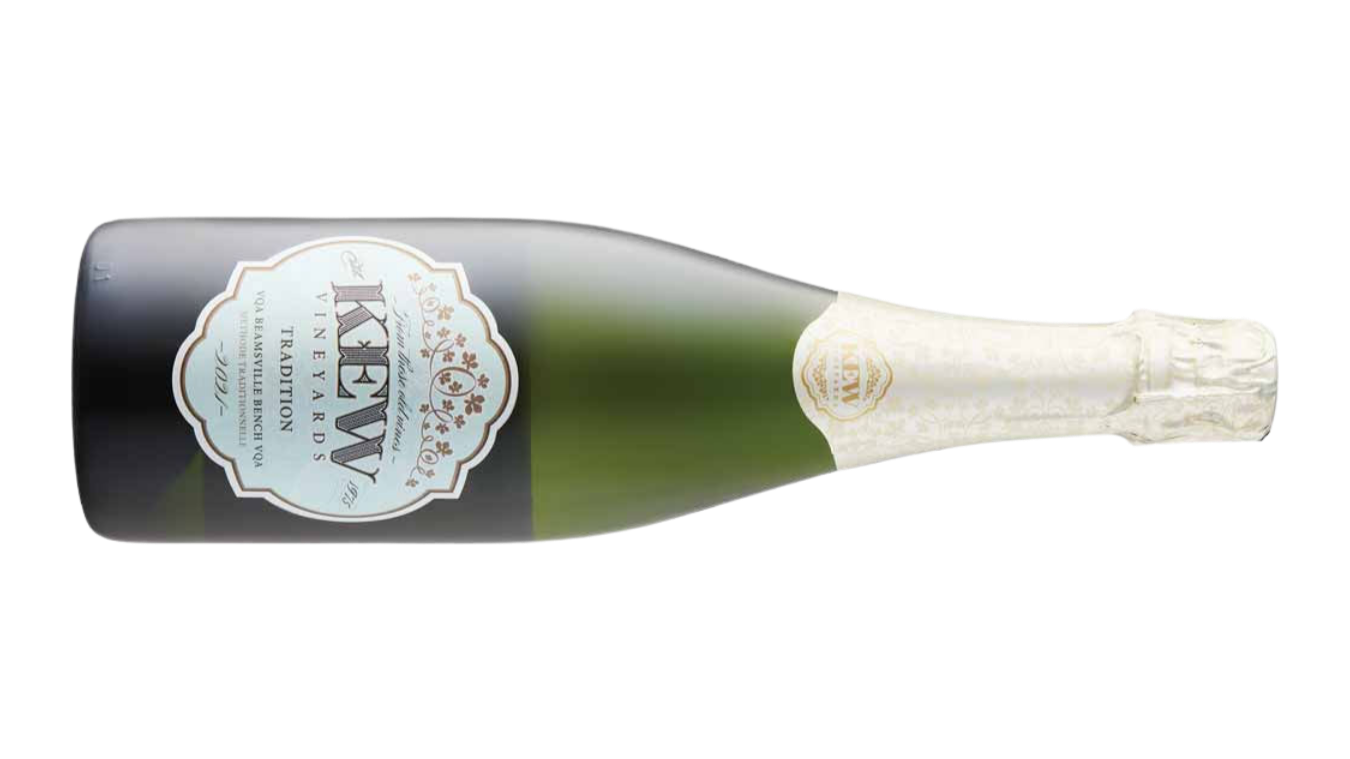
This sparkling wine is a cuvee of 49% Pinot Noir, 23% Chardonnay, 22% Pinot Meunier and 6% Pinot Blanc. The wine is crisp, with a delicate, consistent mousse that carries pure, fresh cut apple and bosc pear flavours. 4 years lees aging lends to hints of brioche that come in towards the back palate, along with a delicate texture and mineral mouthfeel. Bright and elegant - beautiful bubbles!
Jackson Triggs Grand Reserve White Meritage 2024
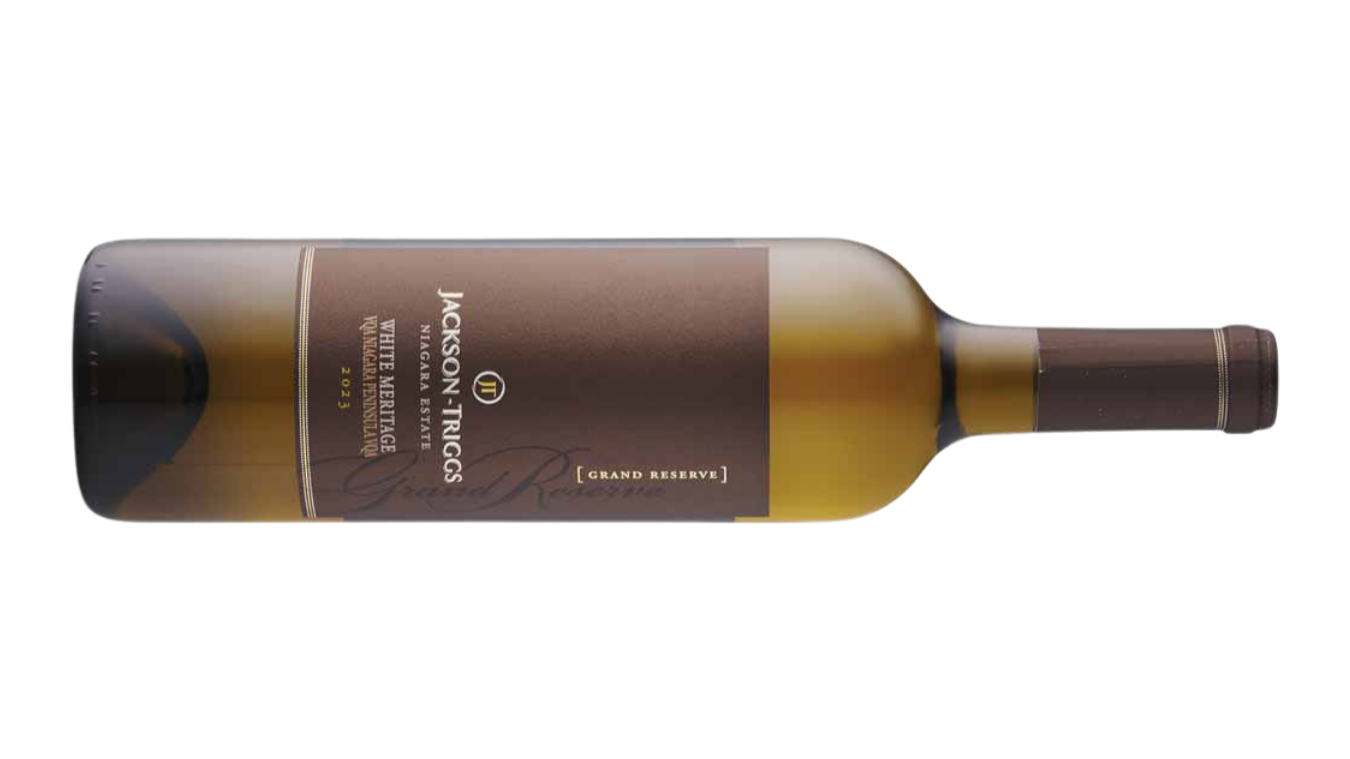
Soft, Anjou pear and peach notes exude from the glass of this Bordeaux-inspired blend. Niagara acidity encompasses the palate elevating each tropical and ripe stone fruit flavour that’s harnessed by a pillowy mouthfeel. The finish has medium length, and delicate peppery notes that add a sophisticated nod to this crisp, charming white wine.
Continue reading…