As seen in Vineroutes
Cold winters make it a risky grape to grow, but Ontario’s best examples reveal remarkable texture, freshness and terroir
When one thinks of Ontario white wines, gewurztraminer isn’t exactly the first grape that comes to mind. In fact, the grape doesn’t even rank in the top five of the province’s top producing VQA whites. However, that doesn’t negate the fact that gewurztraminer is a grape that’s been cultivated in Niagara since the ‘70s, and for prominent producers like Cave Spring and Pelee Island Winery, it’s become a much-loved staple in their portfolios.
Planting gewurztraminer (pronounced guh-VURTS-trah-MEE-nah) in Ontario can be a gamble for most producers due to winter cold snaps that cause significant damage to the vine. However, others have found solutions to keep the grape thriving in the vineyard and in the bottle.
Thomas Pennachetti, Cave Spring’s senior vice president, explains the winery’s journey of the grape:

“I believe we produced our first Gewurztraminer in 1996, from a planting established around 1991. It is a risky grape, however, as it is cold-tender and therefore susceptible to winter frost. The plant material was not of the best quality, however, and this parcel suffered during colder winters. In the late 1990s, we acquired Shoemaker Vineyard, a site with about 1.75 ha of the grape.”
“Over time, we removed our original planting and concentrated on the Shoemaker Estate parcel. In the decades since, a handful of cold winters have taken their toll, reducing the parcel to its current size of about 0.6 ha, comprising about 1% of our overall plantings. In sum, it is very much a niche variety for us, but the surviving parcel is tough and time-tested, having pulled through colder winters.
Today, we classify this parcel as one of our ‘Crus’, i.e., a top selection that provides conditions for extended ripening and, therefore, a full exploration of the variety’s terroir expression. It has made the ‘cru’ grade through decades of survival in the vineyard, not to mention trial and error in the cellars.”
Stylistically, gewurztraminer is typically a low to medium-low acid grape, and can achieve various sweetness levels depending on the vintage and winemaking factors. In the right hands (and region) this grape is pliable to appease a modern market that seeks fresher, dry, aromatic wines.
“There has been a gradual shift to total dryness. In the 90s through, say, 2005, we were medium-dry in style, with 8–12 g/L of RS most years. We made the wine in most years but blended it off in others. Our co-founding partner and first winemaker, Angelo Pavan, found that in some years the early plantings would not hold up into the late season, when the acids lower, and the flavours fully develop. His goal was to pick it late when the opulence develops, which didn’t happen every year. Then, with more attention in the vineyard, he managed to make the wine every year.
Between about 2006 and 2015, the wines started drying up, with Angelo typically leaving 6–9 g/L or RS. We were making progress in consistently ripening the grape, but our fear of going drier was excessive alcohol. Starting around 2015, Angelo’s protégé, Gabriel Demarco, our current winemaker, hit his stride in the vineyards, giving us the bandwidth to push ripeness further. We began fermenting bone-dry, adding more skin contact through partial skin fermentation to balance out the palate.”
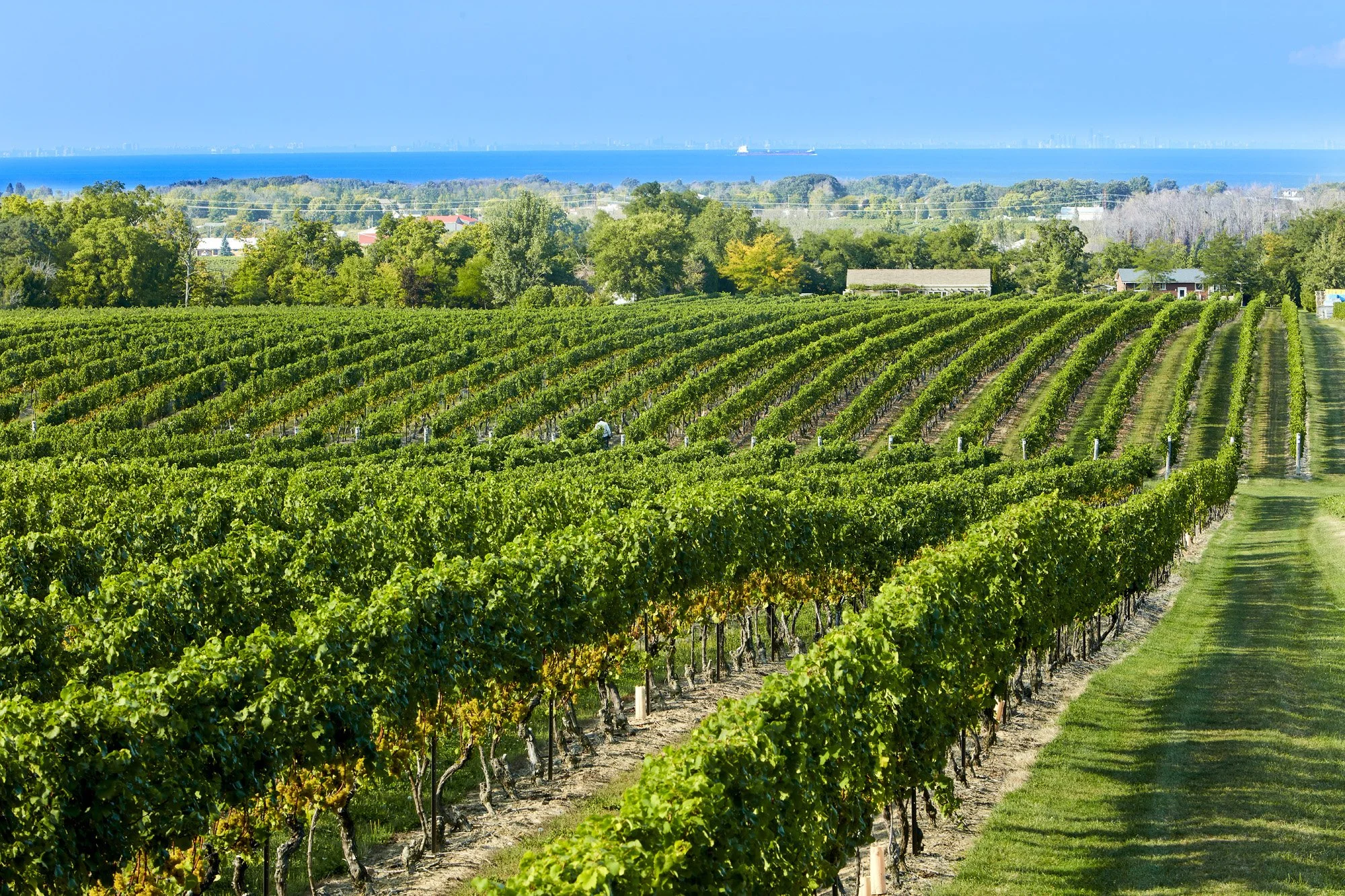
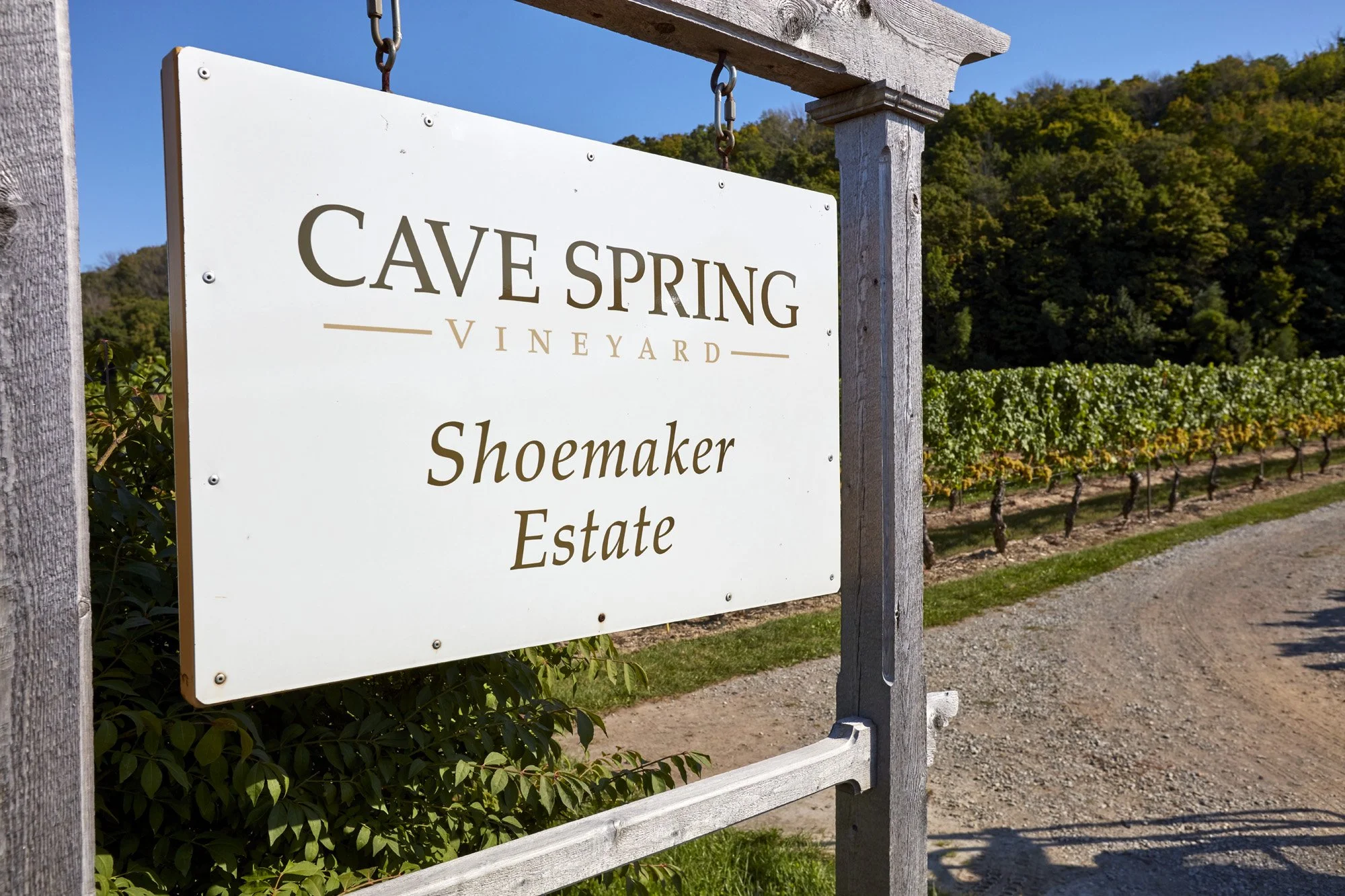
Cave Spring Vineyard Shoemaker Estate
Enjoy Ontario white wines? Read Niagara White Wine Blends: How winemakers navigate the art of blending in a cool climate
In a cooler wine region, like Prince Edward County, vines may have a leg up in terms of reaching prime acidity levels required to find that balance needed for the rich, ripe textures provided by gewurztraminer. Volta Estate Winery’s winemaker, Chris Thompson, explains, “Gewurztraminer can get quite high alcohol, need some residual sugars, and at times be overly large or flabby. The cool-climate freshness we have helps mellow that out, so we can achieve excellent ripeness but keep it vibrant.”
The new winery’s decision to grow gewurztraminer may seem unconventional at first, given most producers’ reluctance to plant these vines, but their deep connection to the grape may be just what it needs to shift the views of today’s consumer back into favour.
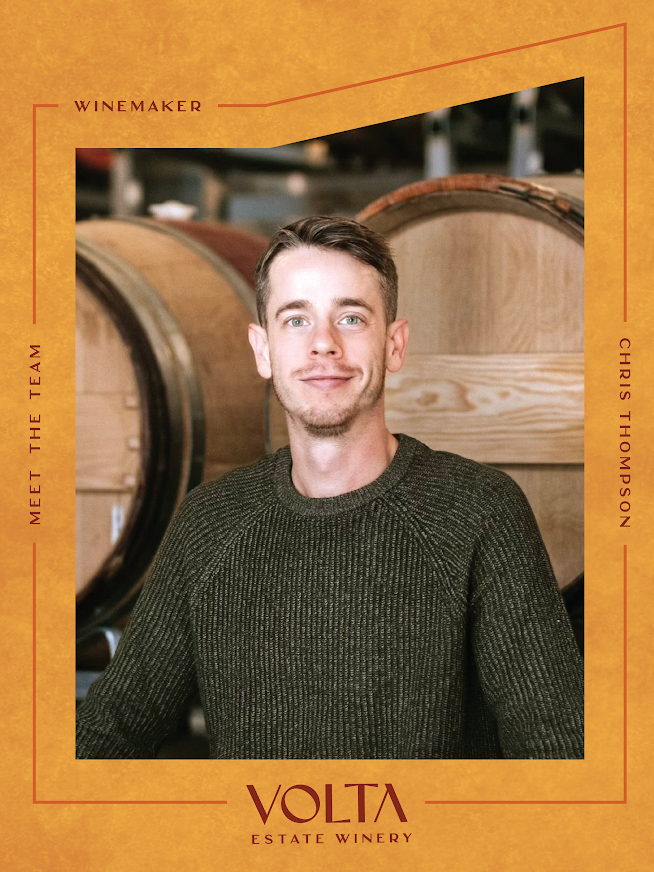
“The owner grew up in Friuli, so there’s definitely a nostalgic and local connection,” says Thompson. “The actual town of “Tramin” where it originates in northern Italy is not too far from his hometown in fact. It’s a grape we love that actually does very well in PEC and is well suited for our climate. Because it ripens early, we can get beautiful, deep ripeness and still have it off the vine before we’ve even picked chardonnay and pinot.”
A common thread between the province’s best Gewurztraminer examples reveals a trace of stylistic similarities to the wines of Alto Adige, Italy, where the wine originates. However, what trumps this historical nod when it comes to the profile of Ontario Gewurztraminer, is in fact, the depth and complexities extracted through careful site selection, limestone soils, and thoughtful winemaking techniques using maceration and skin-contact.
“In terms of style, hopefully the wine doesn’t remind you of any place other than Niagara,” says Pennachetti. “It is certainly opulent, which, of course, the great Alsatian wines are. But it is tense and mineral at the same time, in the way the best Alto Adige examples are. That said, the makeup of our wine leans more toward the extractive, phenolic, full-bodied side, with a kiss of stoniness on the palate. The wine remains a powerhouse and is by no means a simple, floral example of the grape.”
“Volta’s ‘Tramin’ pays homage to its northern Italian birthplace and our ownership connection to that area as well,” adds Thompson. “Secondly, the wine is made in a more Friulian/Alto Adige style with a little skin contact maceration creating depth, texture, and a savoury tone. The name indicates the style in which it is made. Lastly, it helps the average person be less intimidated by a smaller name…no scary umlauts.”
Labelling a Gewurztraminer Tramin, or the even more consumer facing name Gewcci like that of Rosewood Winery in Niagara, are clever techniques to invite locals to pick up a bottle of this highly interesting alternative white wine that expresses itself so well in Ontario.
You can even affectionately call it Gew as many industry-folk do, because as it’s a classically hard name to pronounce, it’s a wine that’s just as easy to love – and always worth a second pour!
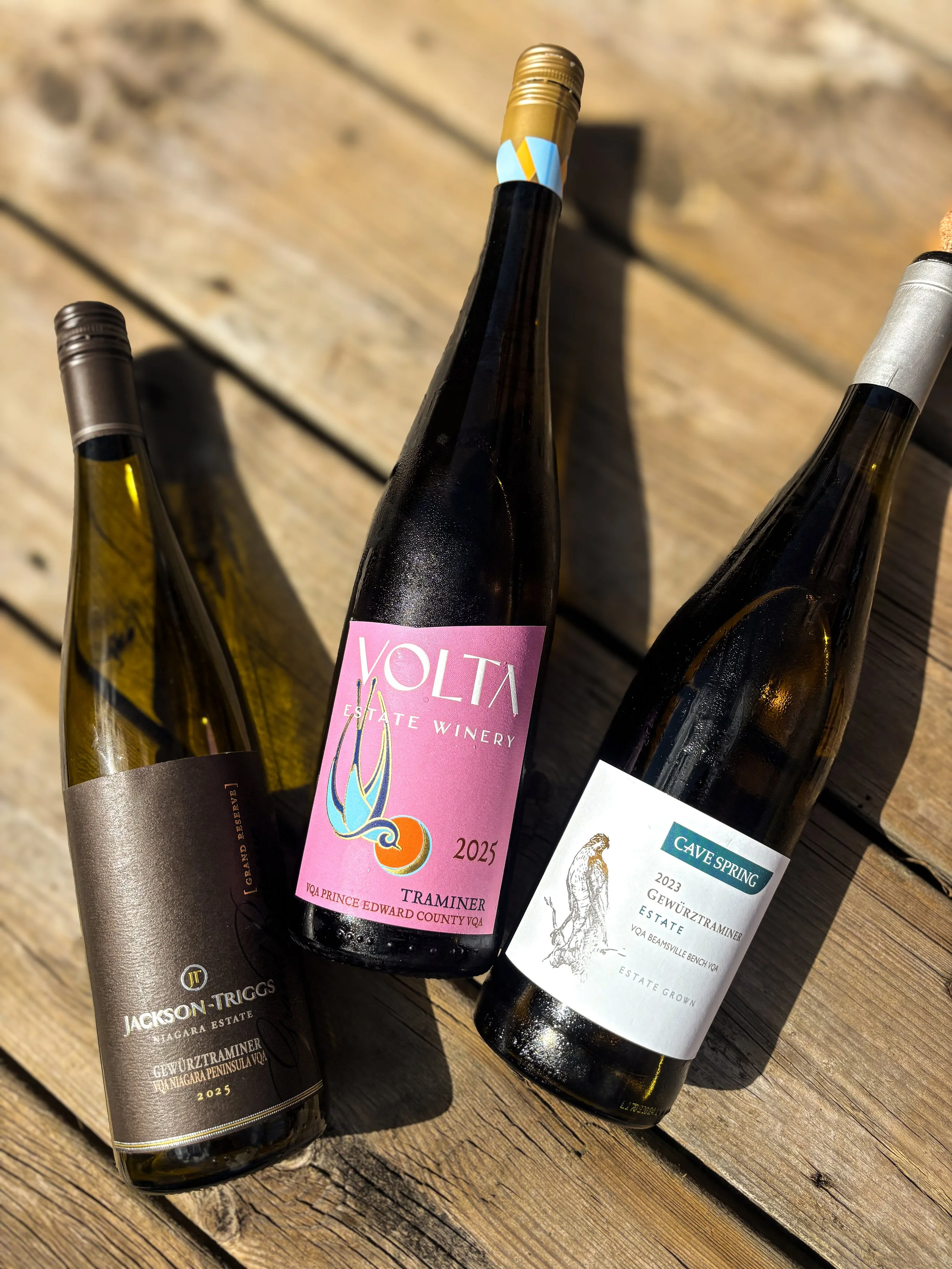
Try these Ontario Gewurztraminer:
Cave Spring Vineyard Gewurztraminer
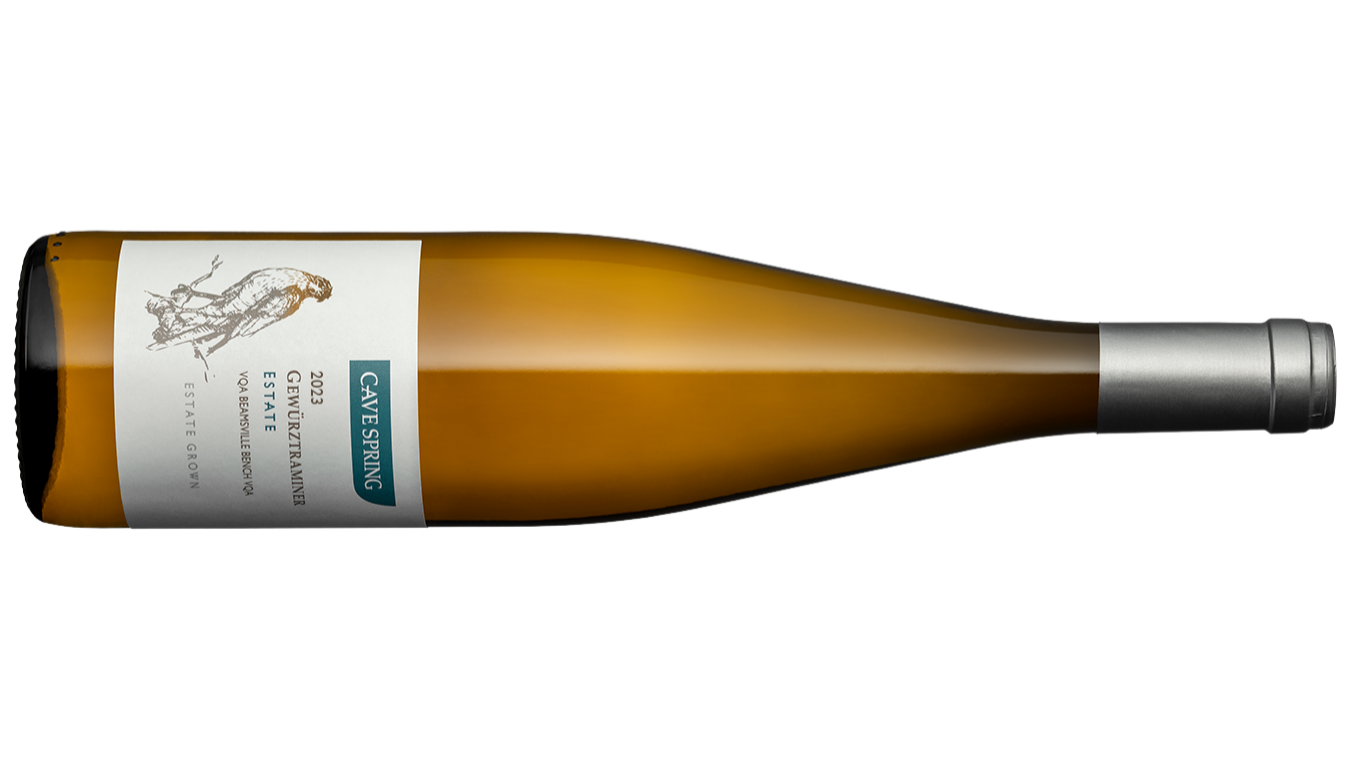
This comes from 100% estate fruit from the Niagara Escarpment. It sees a brief maceration period before undergoing an 11-month lees-aging period in barrel. Deep, honeyed flavours on the nose and palate, with layers of baked pineapple, mango, and lemon with some attractive, oxidative, nutty notes starting to emerge. This wine flaunts a mineral presence that blossoms on a long finish.
Jackson-Triggs Grand Reserve Gewurztraminer
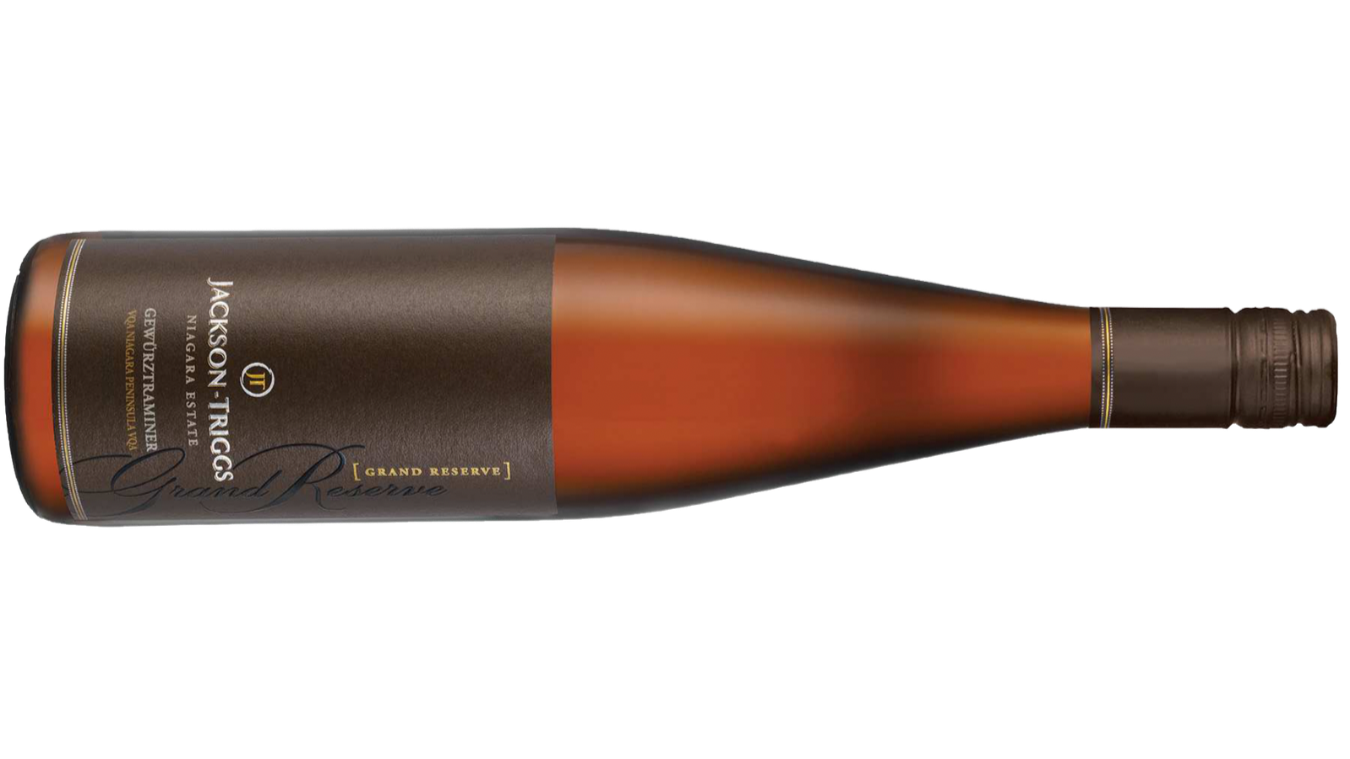
This gewurztraminer ejects intense aromas of nectarine, lychee and mandarins integrated with a dash of subtle white pepper. A full-bodied and waxy palate begins with juicy orange and ruby grapefruit before moving to more dynamic layers of lychee, ginger and florals that trail on a persistent finish. Low acidity, typical of the grape, yet alive with complexity. This wine would make an excellent pairing for orange ginger glazed chicken.
Volta Estate Gewurztraminer
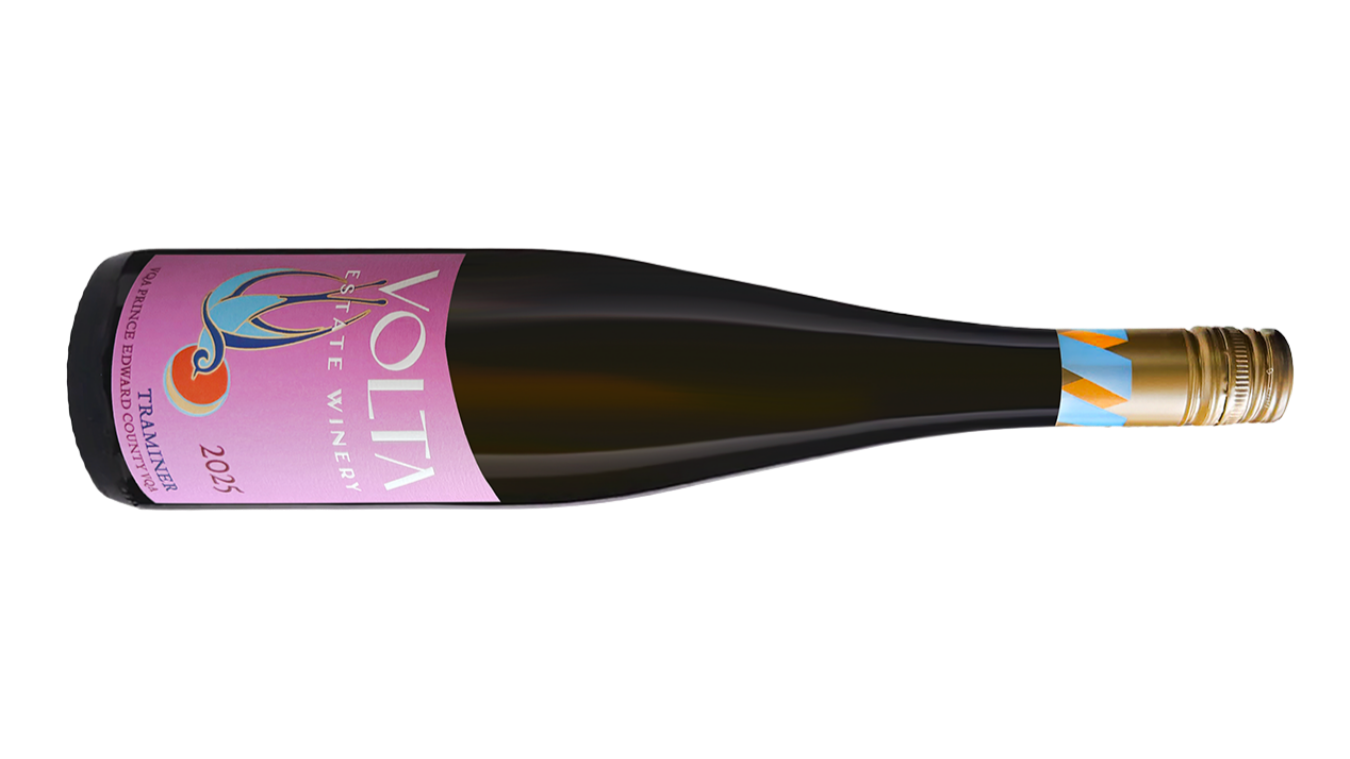
Lemon zest, honeysuckle and wildflower aromas exude from the glass of this Prince Edward County gewurztraminer. A glossy mouthfeel delivers bright yellow fruit and juicy, citric acidity, gliding like silken sunshine over the palate. Succulent and fresh, with a nip of white pepper on a lengthy finish.
Keep reading…