
The Ultimate LCBO Wine Buying Guide
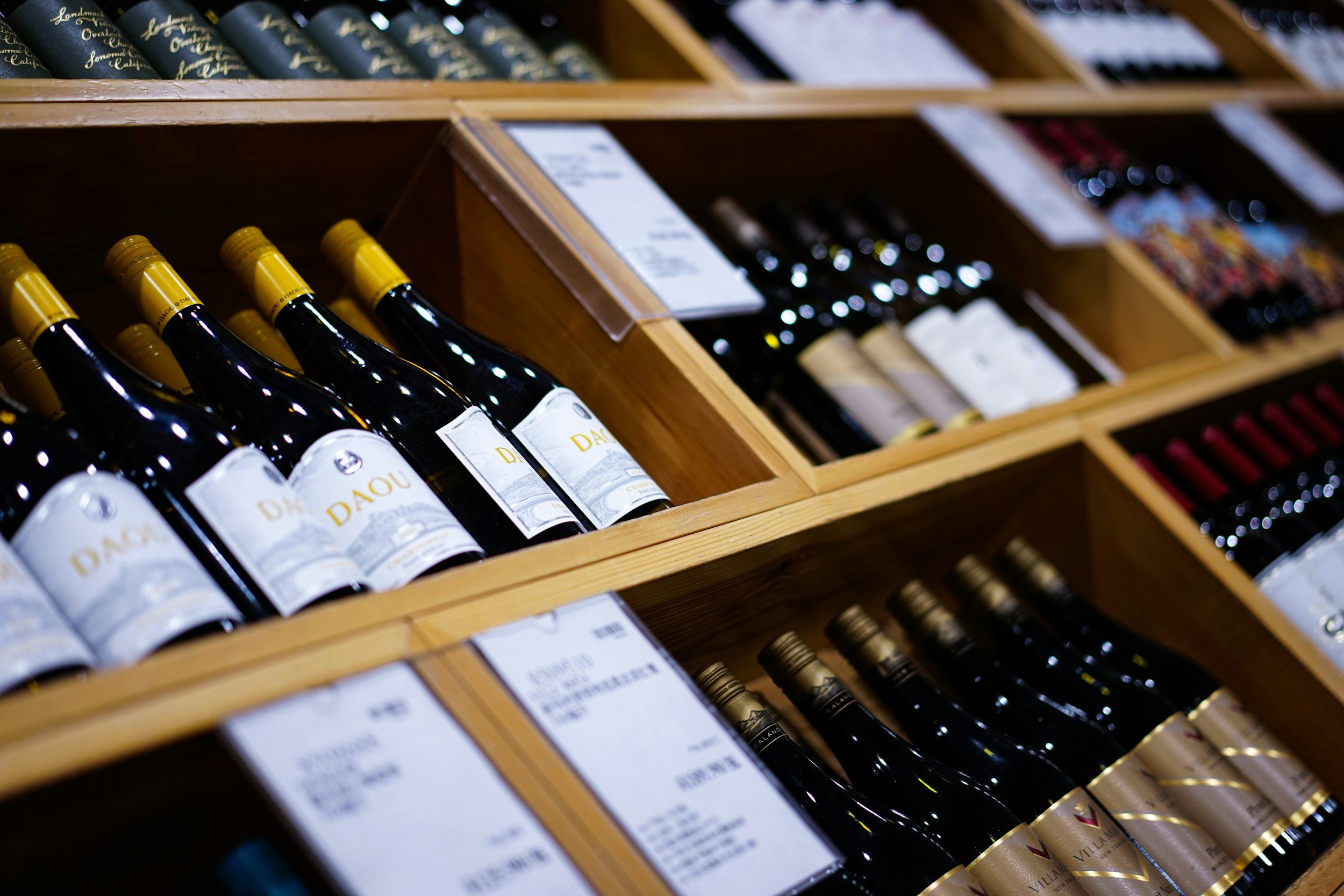
I worked at the LCBO for 15 years - the last 5 as a Product Consultant. Over that period, I witnessed customers from all walks of life ask me every kind of wine question imaginable. Everything from, “What does D.O.C.G. mean on a label?” to “Do you have a Riesling in red?”. Trust me when I say, if you’re open to an answer, there are NO dumb questions about wine! With that in mind, I did witness several customers making the same shopping mistakes, time after time.
From the markdown section to the lock-up shelving, and bin tags to wine labels, shopping at the LCBO can be a bit confusing. In this guide, you will learn how to become a savvy LCBO shopper and find your best bottle.
5 Things You’re Doing Wrong at the LCBO
Below are five things I’ve been sharing with my friends, family, and clients for years that will not only change the way you shop for your next bottle, but will help you pinpoint your next favourite sip:
Don’t stereotype employees
Unless they have a different colour shirt! I can’t count how many times customers have walked right past me to ask a male employee a question that I had more knowledge on. You can’t associate wine knowledge with gender, age, race, etc. You can look for employees in the LCBO called Product Consultants who wear a different colour uniform than the rest of the workers. Product Consultants run Vintages sections, and other specialty beverage sections in the stores but have a broad base knowledge of all wine and spirits. These positions require significant wine and spirit education certifications before being selected, so they’re the ones who you want to familiarize yourself with to guide a wine selection that best suits your needs.
It’s also worth mentioning that not all stores have Product Consultants. If you happen to be shopping in a smaller store that has a limited Vintages section, it’s fair to ask an employee who has the best wine knowledge base in the store to direct your inquiries.
Don’t limit yourself to the lock-up
The lock-up, or special cased section of the LCBO holds the most expensive and rare bottles that come into stores. This is a good place to discover a high-end gift, or a special bottle if you’re a collector. While the price of a wine can signify higher quality, with the reflection of a higher production cost, price can also be based on brand name. If you want to spend upwards of a $100/bottle, do your research. Many high-quality bottles can be discovered on Vintages regular shelves. Keep in mind, there is only so much space in the lock-up section, so some bottles that may have previously resided there, can be moved to another shelf at any given time. Pro tip: It’s possible to discover premium wines within the $40-$60 range that are even better than ones at a higher price point.
Don’t skip the Vintages section
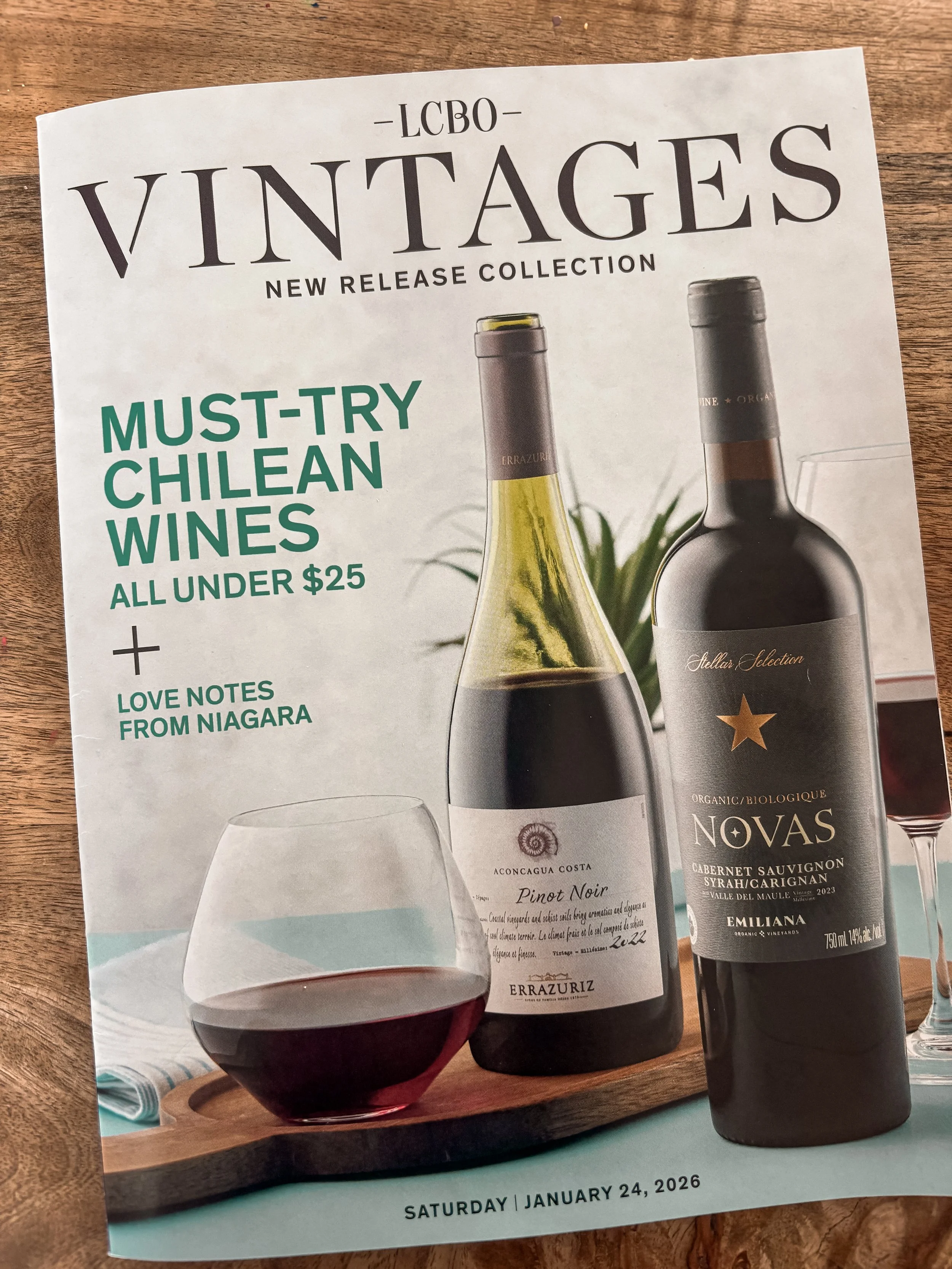
So many wine consumers are intimidated by the Vintages section. If you are one of these people, this is your sign to step outside of your comfort zone and explore an entire new world of wine. The number one reason I would hear from customers as to why they steered clear of the Vintages section was price point. Of course, there are more costly bottles in this section than in the general listings, but there are plenty of wines that you can find for the same cost as your regular go-to bottles AND they are likely much better quality. The bottles that land on Vintages shelves are crafted in smaller batches, not mass produced, therefore having elevated winemaking standards. These bottles are more likely to express a sense of place and vintage, the way wine should optimally be enjoyed.
Pro tip: It’s possible to discover premium wines within the $40-$60 range that are even better than ones at a higher price point.
How to Read LCBO Shelf Tags and Labels
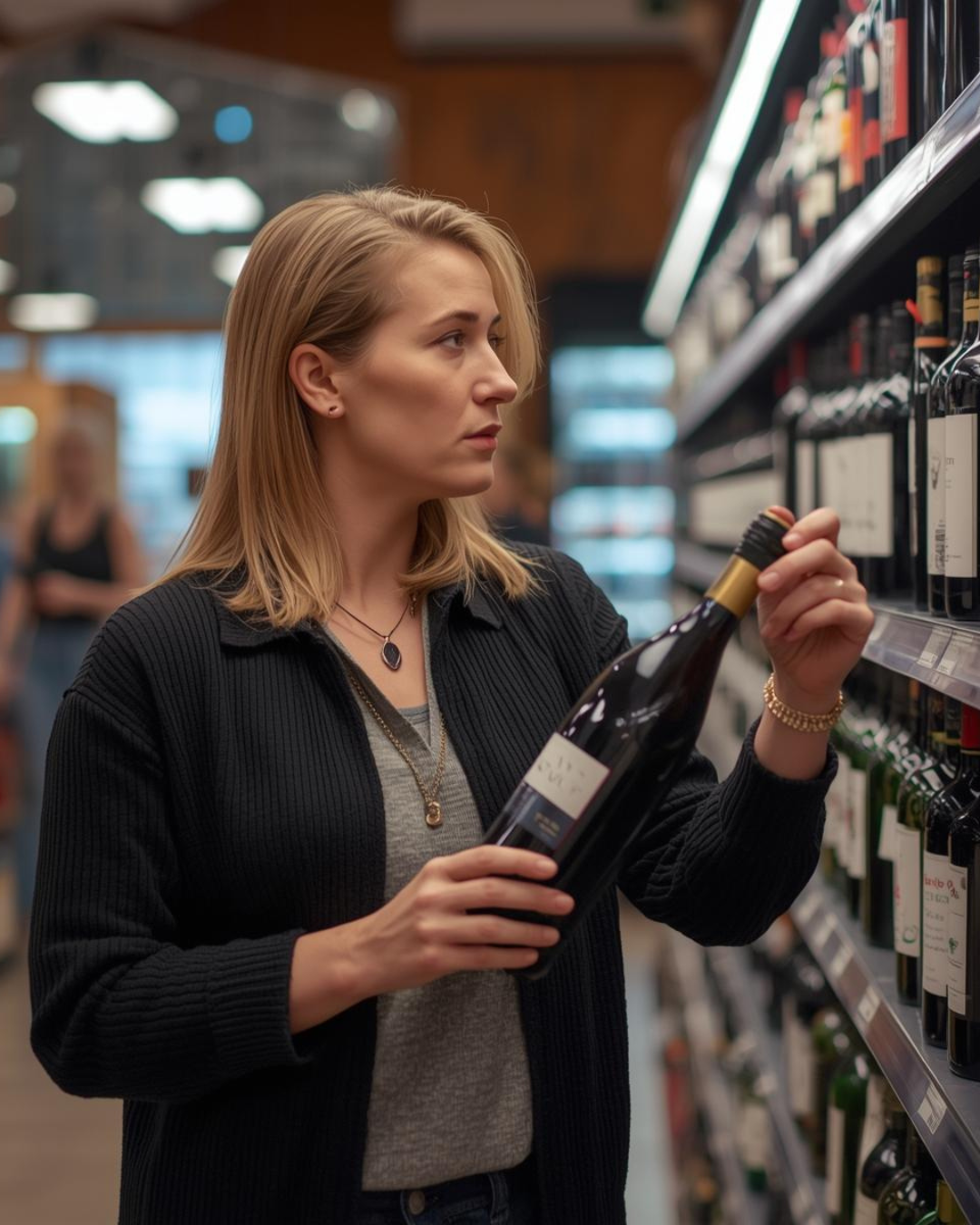
Labels are another factor for casual consumer avoidance. Wines within the Vintages section can be difficult to navigate if you don’t understand the label. Some countries use region instead of grape variety on their labels. It’s easy for consumers to look at a bottle and not understand if they’re reading a region, a winery name, or a grape. Subsequently, these can be exciting and affordable wines you’re missing out on. Talk to the store’s Product Consultant or use the LCBO app to scan bottles and get instant information on what’s inside the bottle.
Shelf tags can give you important information on what you’re about to drink. On the price tags or bin tags you can find the wines sugar content level. If you’re looking for a dry wine, you should look for tags that state a 0-5g/l of sugar content. Insider tip: These numbers AREN’T an exact science so no need to discern between a 1g/l wine and a 2g/l wine.
Don’t overlook the markdown section
Markdown bottles can be found on any shelf but sometimes have their own section entirely. They are marked by red tags. There are several reasons why bottles may be marked down and none of them include being a “bad wine”. Some of these reasons include: Labels are difficult to decipher, lack of shelf space, incoming shipments, customer demand, overload of bottles of a certain region, style, etc. This can be a perfect opportunity to become a wine savvy superstar and snag wines that are otherwise quite costly, try new styles/regions, or find cellar-worthy bottles.
Enjoy cellar-worthy white wines? Read my article Discover Chenin Blanc: The Loire’s Golden Grape and Three Appellations That Define It
Want a deeper dive into sharpening your wine buying skills? Check out my article for Vineroutes - Buyer Beware: Understanding the good and bad when buying wine
Leah’s Current LCBO Picks
Best Patio Rose
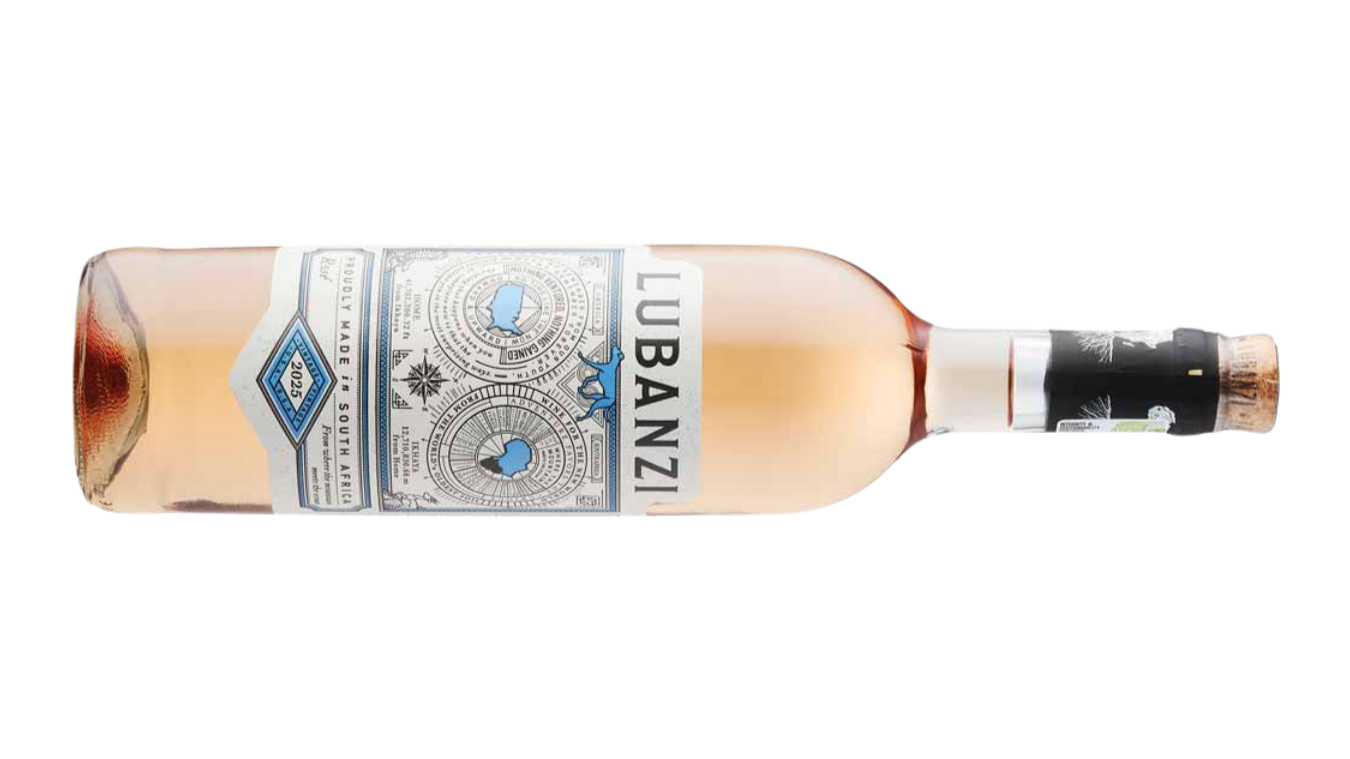
This is both a Fair Trade certified and Climate Neutral certified wine that will make you feel good about your selection long after the last pour. It’s crafted with Cinsault grapes coming from old vines in Swartland, South Africa and fermented with wild yeasts. The winemaking here is a sure shot way to harness an appetizing minerality that wraps itself around blackberry, pink grapefruit and rhubarb notes while driving a persistent finish. There’s also impressive lift that allows this wine to be incredibly food friendly. LCBO Vintages #49070, $18.95
Best Patio White
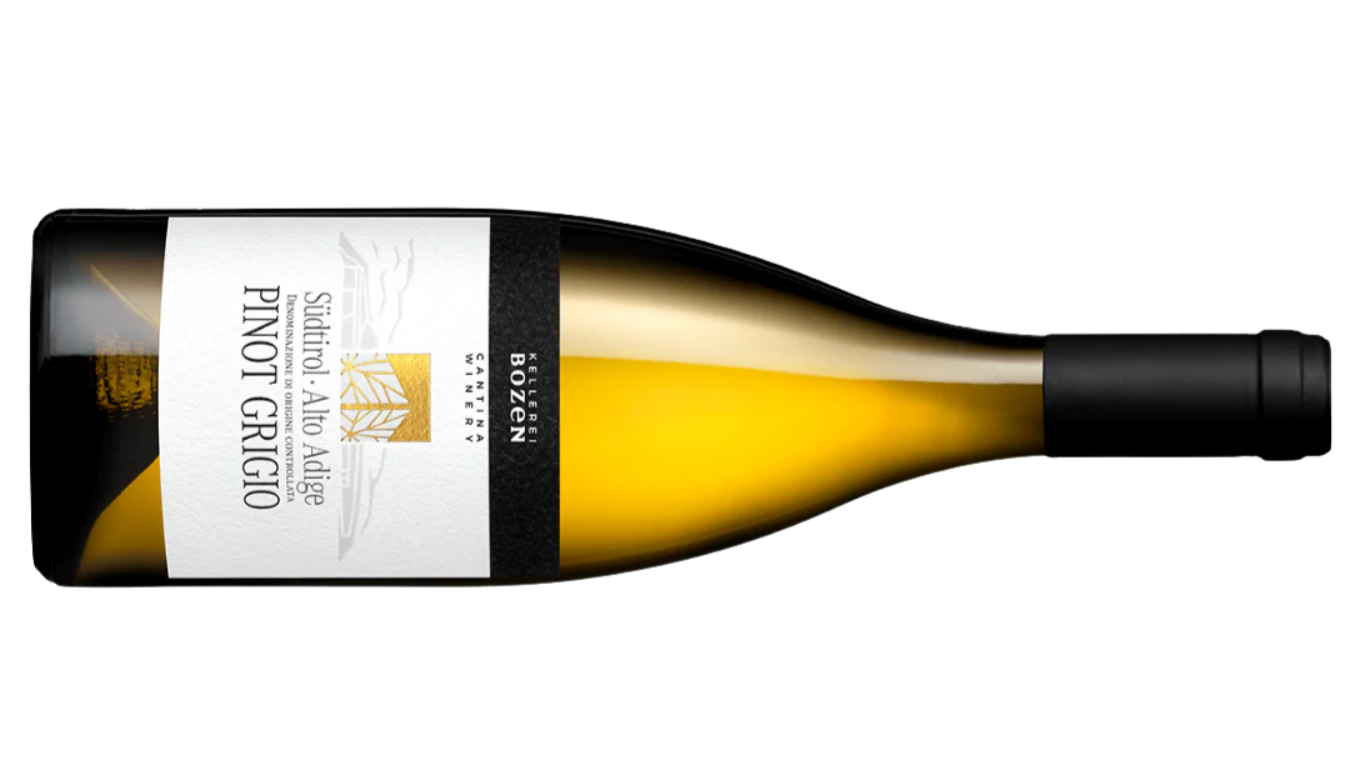
Kellerei Bozen Pinot Grigio 2025 - This is an easy-going wine that marks alpine freshness and drinkability. Food friendly, but also a great sipper on its own. Full Review.
Best Ontario Pick
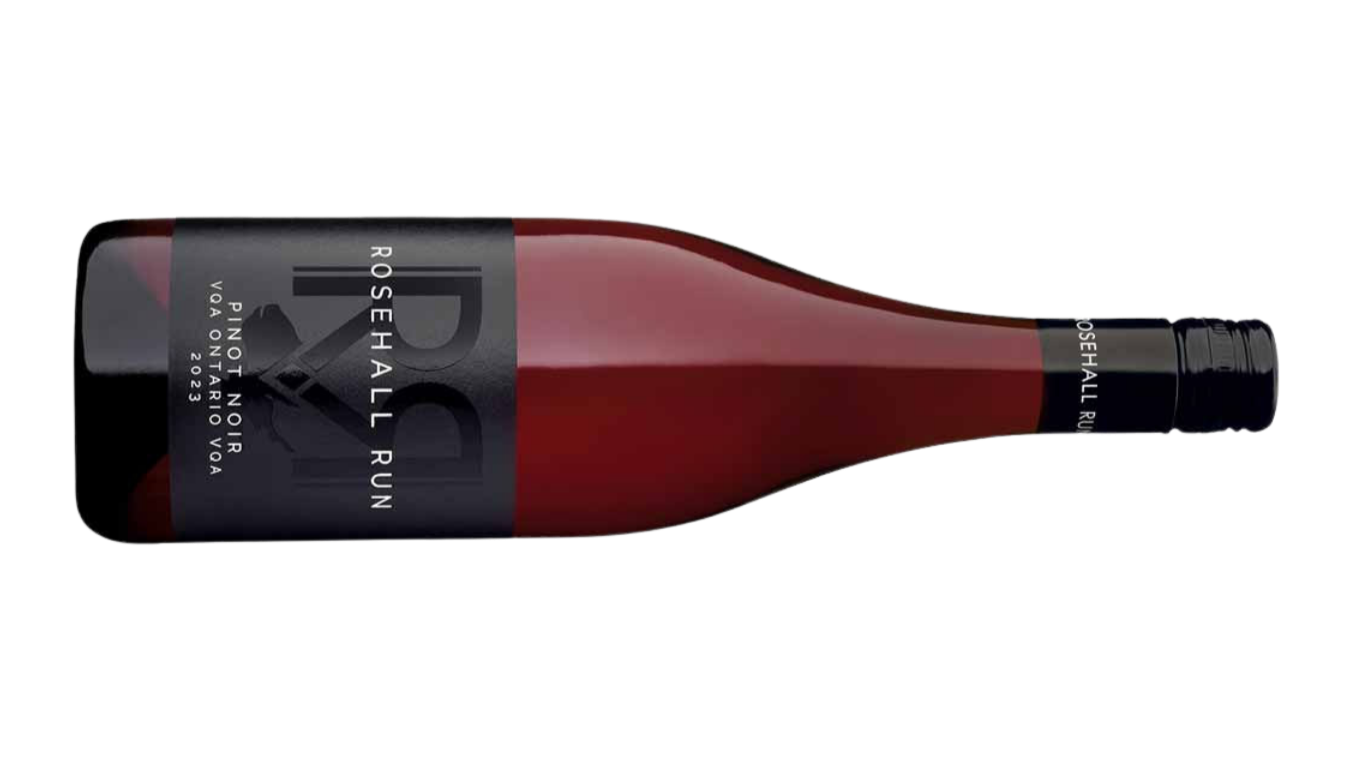
Rosehall Run Pinot Noir VQA 2024 - This is the perfect red wine for summer. Light-bodied with juicy acidity, and wonderful value here too! Full Review