
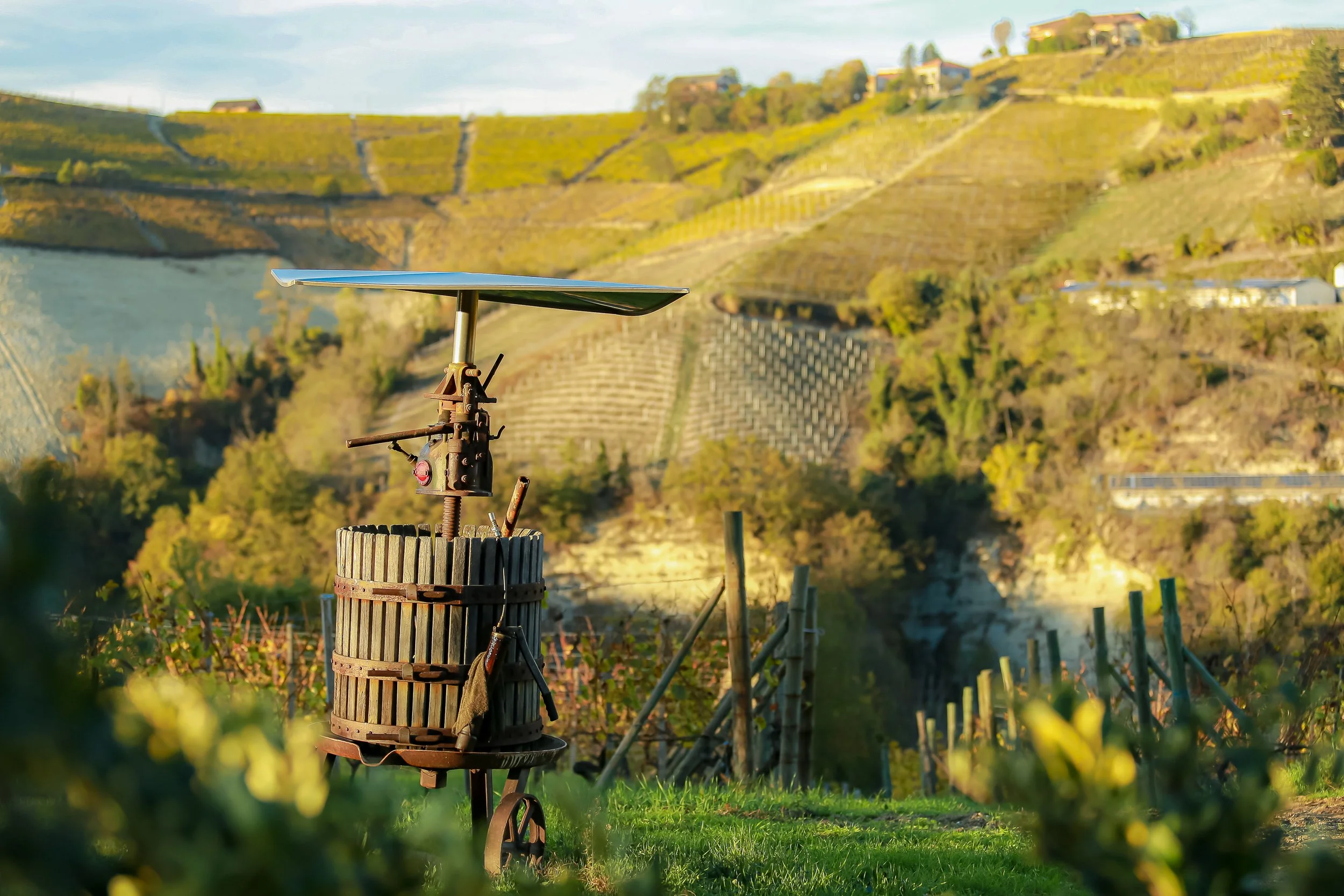
Cadgal vineyards in Piedmont, Italy
My latest article for Vineroutes:
Fifteen years ago, Moscato experienced a massive surge in popularity within the Canadian market. What was once nearly non-existent on local wine shelves quickly became one of the most popular white grape varieties available. This rapid influx in demand was launched by consumers who desired the high sugar content in Moscato wines, combined with the wallet-friendly price-point. The result was Italian wine sections of liquor stores becoming flooded with low-quality, mass-produced bottles that were the go-to choice for those seeking a sweet, inexpensive option.
In recent years, Moscato still seems to be quite popular, despite the downfall in wine sales entirely. As the palates of the early onset Moscato consumers evolve, so do the standards of the wine. Lucky for them, there are producers of Moscato d’Asti that are invested in crafting high-quality Moscato that capture a sense of place. These producers are dedicated to fine winemaking that result in terroir-driven wines that still have lower-alcohol and a sweet profile, but are balanced, refined, and even age-worthy.
Cadgal Wine Captures Piedmont Terroir with elevated Moscato
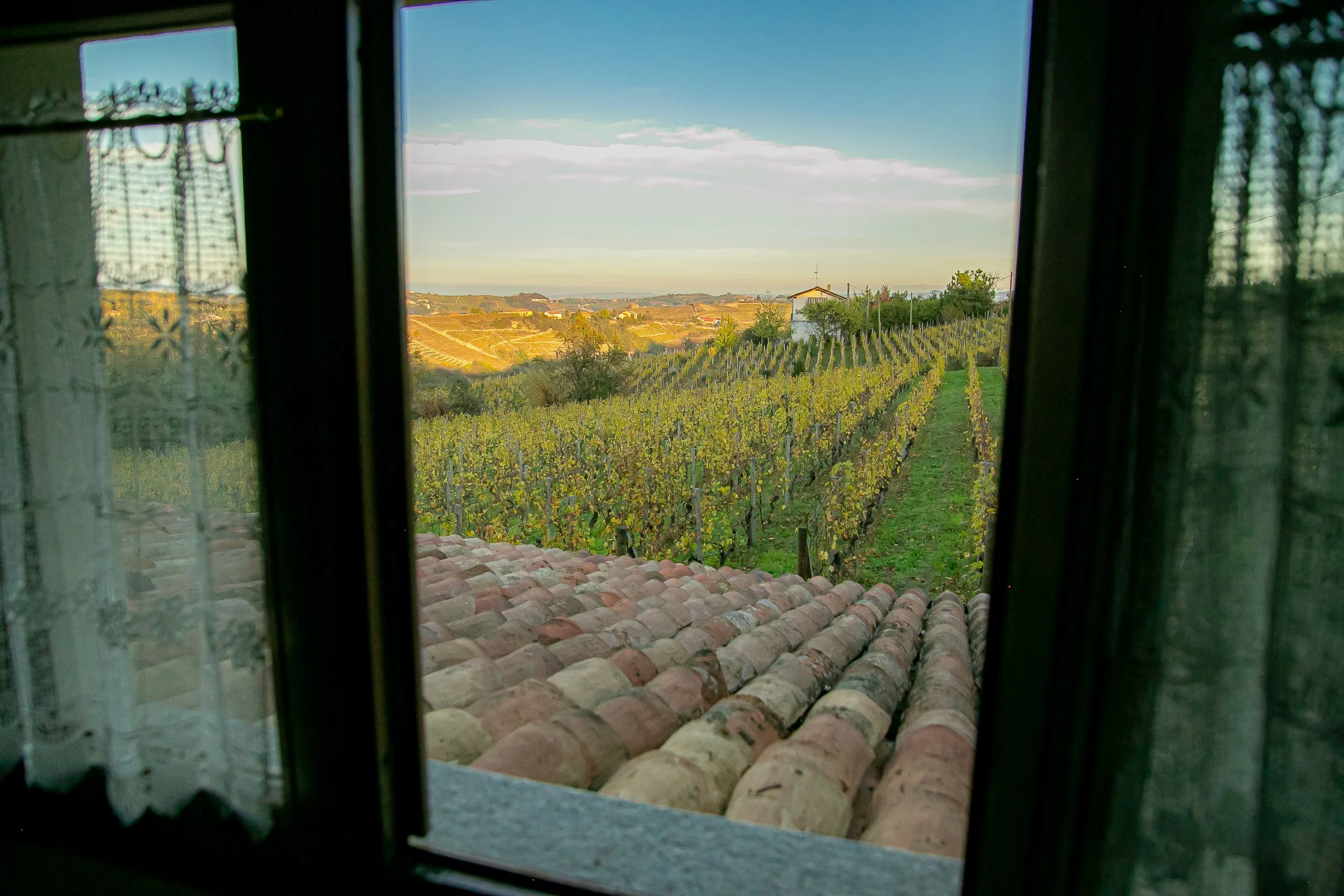
Cadgal, meaning house of the rooster, is made up of two Piedmont properties: Tenute Valdivilla, in Langhe area, and Tenuta La Cova in Monferrato Asti. Their goal is to redefine Moscato d’Asti to the modern market with refined wines that capture the essence of their limestone soil vineyards, and more specifically, the purity of Piedmont.
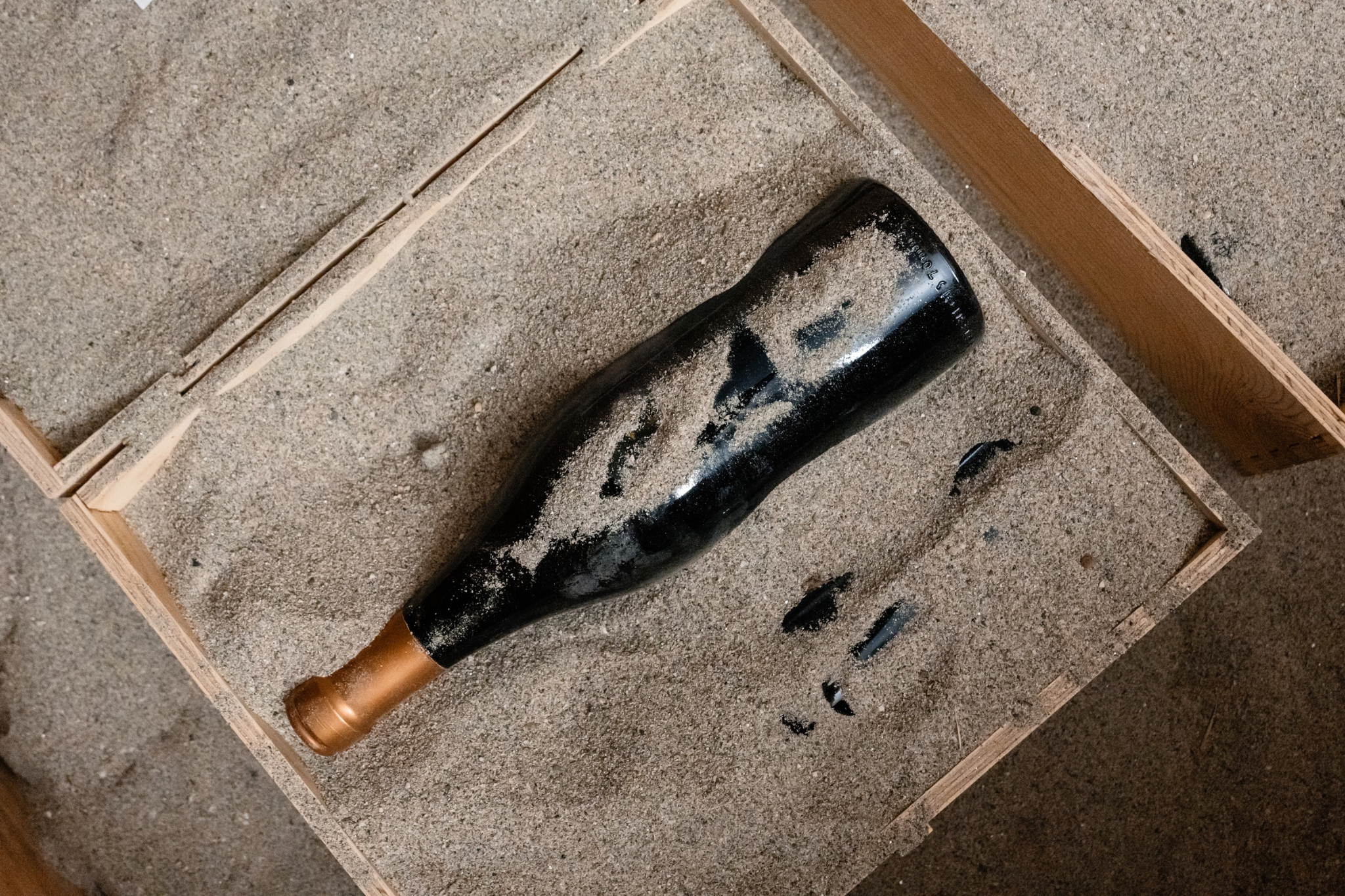
Cadgal owner, Alessandro Varagnolo, had followed a family dream to move to the beautiful countryside and pursue viticulture. They found two estates, one of which was the historic winery of Cadgal that focused on Moscato. Alessandro’s goal was to intensify the reflection of terroir in these wines. He changed the Chardonnay/Sauvignon blend to single-varietal, unoaked wines to truly showcase the characteristics of the land, but he also carried a tradition of aging bottles in sand. A winemaking technique almost lost in the region.
“There are no sources or literature behind the Vita Vecchia method, just what’s handed down from generation to generation. I’m excited to bring these values and winemaking techniques to other wines in the future.”
The Moscato made by Cadgal are not your typical, light and fruity Moscato wines. These bottles have complex flavours, balanced structures, and can evolve long after production.
Moscato d’Asti D.O.C.G. Lumine 2023
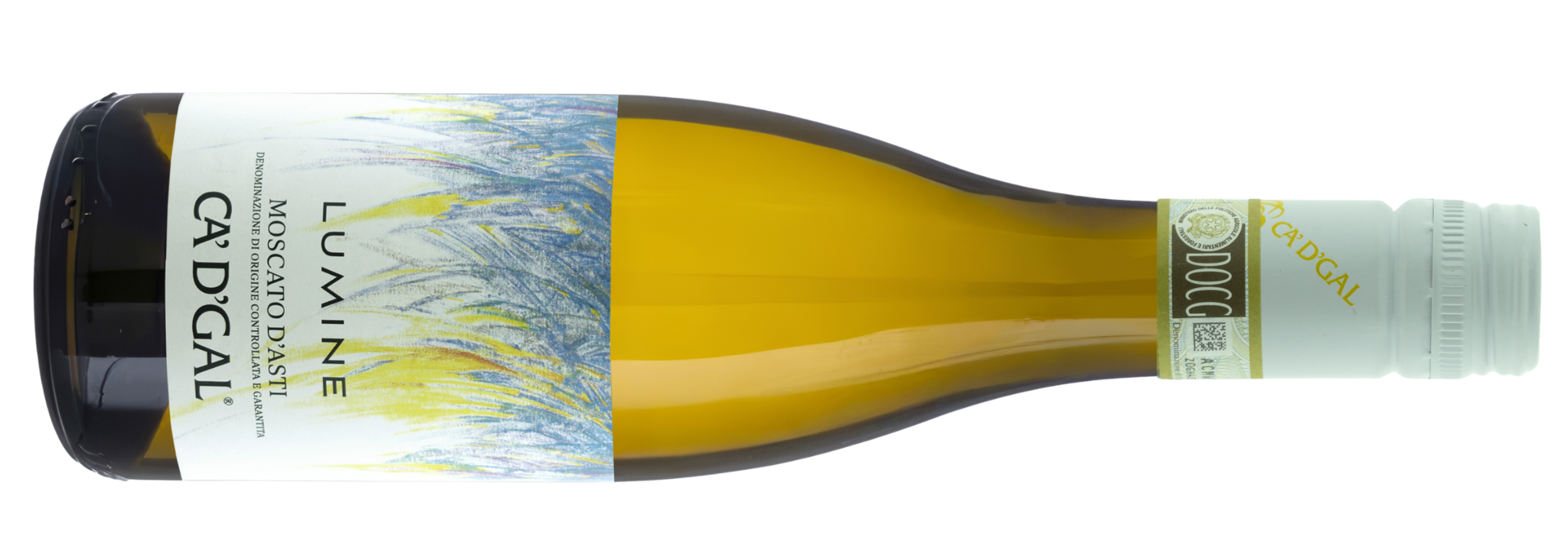
Lumine, meaning light, achieves its namesake based on the colour of the Moscoto grapes that’s also revealed in the label. This is Cadgal’s traditional Moscato that’s produced in the largest volume, but certainly not an entry-level wine to overlook.
Alluring pear and peach aromas continue to bloom on a light-bodied palate with a luscious sweetness and lifting, ripe acidity. Tropical fruit notes and lime zest join the mix, plus a hint of minerality that glide along a delicate effervescence, creating a refreshing and welcomed next sip. This would make for a perfect sipper on its own, or lunch accompaniment.
Canelli Moscato D.O.C.G. Sant’Ilario 2023
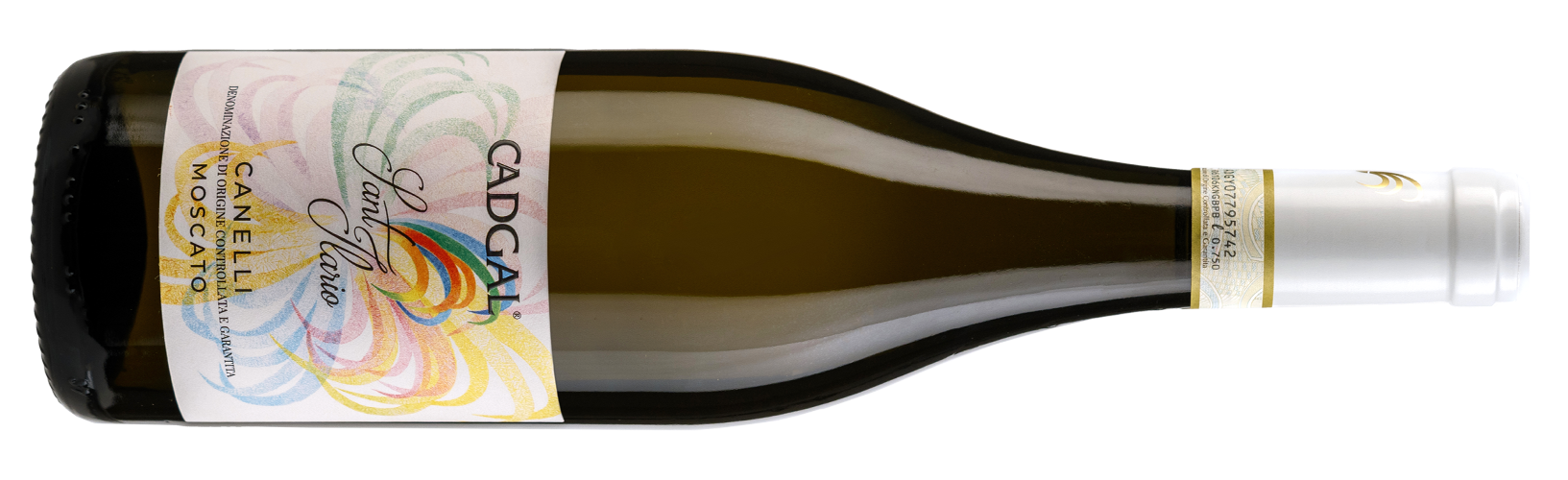
This bottle comes from 70-year-old vines in the Valdivilla vineyard of Canelli D.O.C.G sitting at 400m a.s.l. The Canelli DOCG, considered the birthplace of Moscati d’Asti, is noted in 17 provinces within the Moscato d’Asti appellation that’s marked for its high-quality production of Moscato Bianco. The vinification of Sant’Ilario sets this apart from the Solaria as this bottle is not only derived from much older vines, but also sees more time on it's fine lees, allowing for more aromatics and complexity to the finished product.
The Sant’Ilario’s acidity is an appetizing attribution that is so balanced it quickly whisks away the indulgence of sweetness to simultaneously refresh the palate. This Moscato displays mineral and ripe stone fruit characteristics entwined with whispers of herbs that float upon delicate bubbles towards a long finish. There’s a depth here that offers both elegance and complexity. Highly enjoyable now but would reward another 10+ years in the cellar.
Moscato d’Asti D.O.C.G. Vite Vecchia 2018
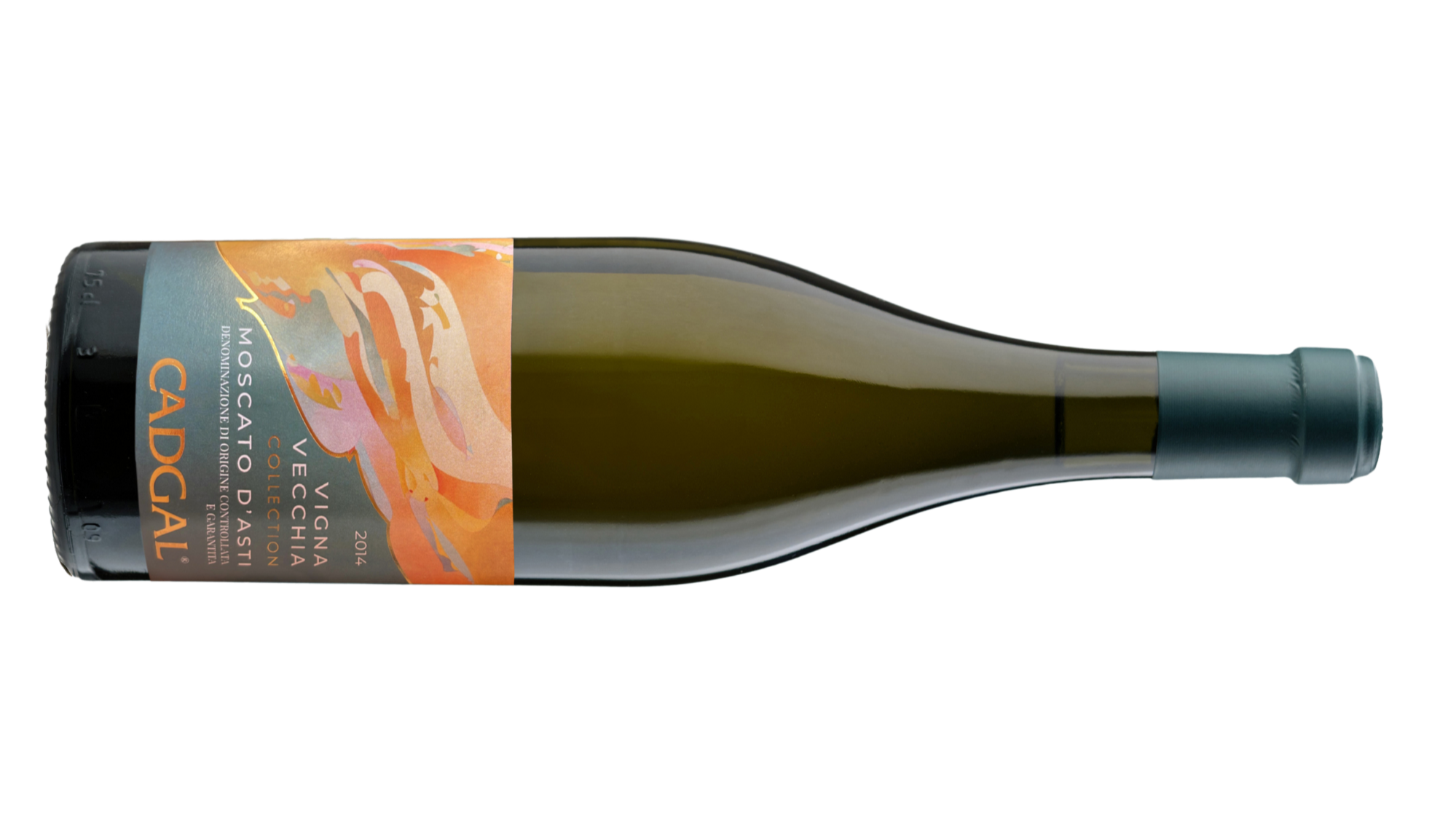
The label artist painted this design after tasting the wine and becoming inspired by the aromas and flavours. The Vite Vecchia is the most ageable Moscato of the Cadgal lineup as it’s derived from 70-year-old vines with low yields, leaving concentrated grapes that are balanced with a higher acidity than its younger counterparts. This wine undergoes the ancient method of burying the bottles with sand in wooden boxes for five years prior to release; a winemaking technique that creates depth and layers in the wine, further enhancing the Vite Vecchia’s cellar-worthy style.
Dried sage and thyme aromas easily lift from the glass, combined with mineral elements and gentle hints of gun smoke and lemon curd that trail behind. Each aroma blossoms in flavour on a savoury palate that is delicately sweet, yet balanced by an energizing, ripe acidity and a limestone-driven, mineral core. Wonderful balance of structure. Resounding proof that Moscato Bianco can be crafted in quality and age worthiness.
“I’m excited to bring this method to other wines in the future and not just Moscato but to the reds too. I look forward to seeing how this technique will express and age the other wines.” - Alessandro Varagnolo.
Beyond the Moscato d’Asti wines, Cadgal produces Chardonnay, Sauvignon, and Barbera d’Asti that entail the same inspiring viticultural characteristics and passionate winemaking detail as the Moscato trio. Their entire portfolio is one worth exploring for wine enthusiasts as it promises to transport you deep into the high-altitude hillside vineyards of Piedmont, evoking new styles and authentic terroir in every delicious sip.
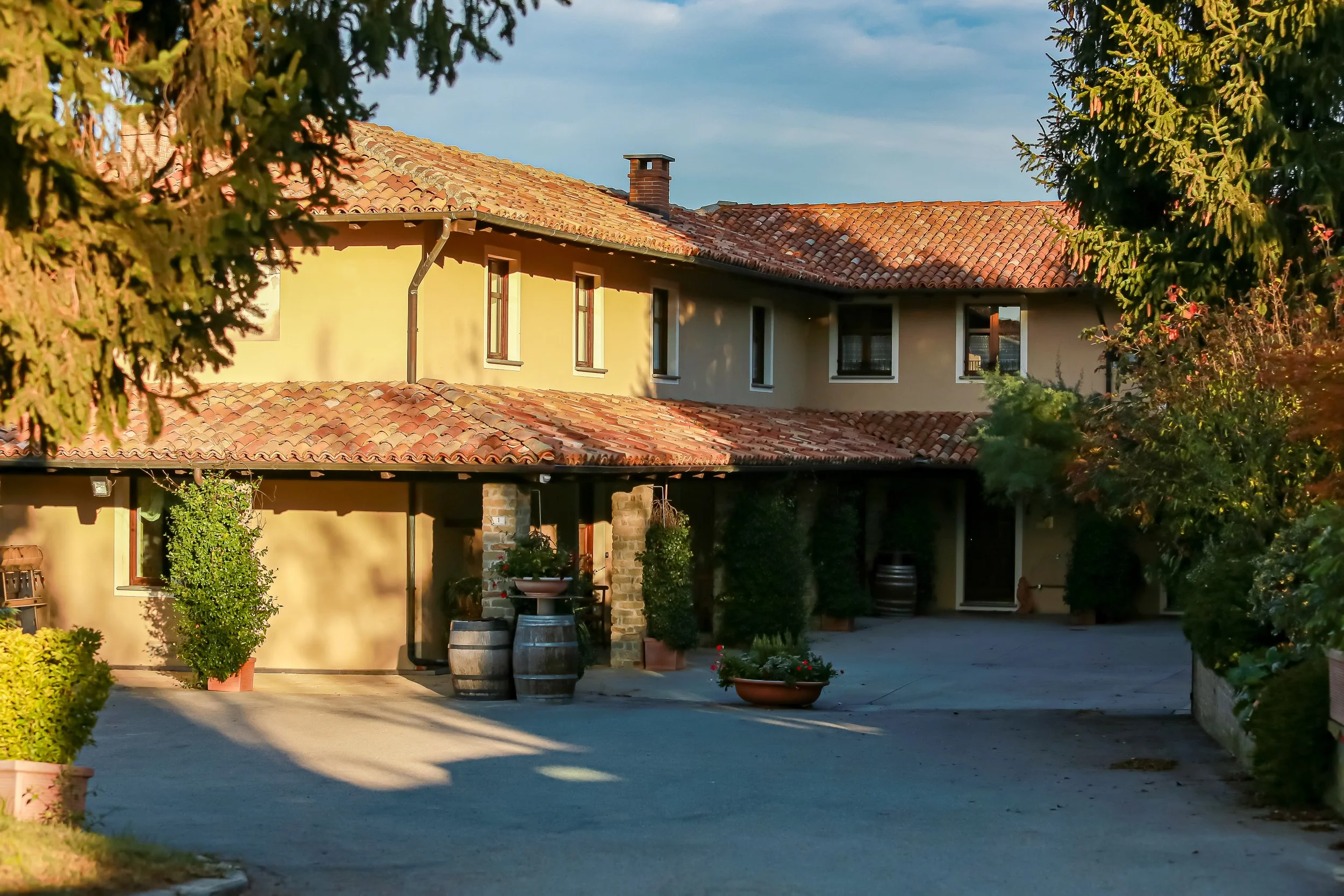
Cadgal winery in Piedmont, Italy
Find more reviews on other Cadgal wines here.