The Canadian Table: Matching Wild Game with Homegrown Wines
The bounty of Canadian vineyards offer a match for every capture, cut and dish.
*This article was published in Outdoor Canada magazine.
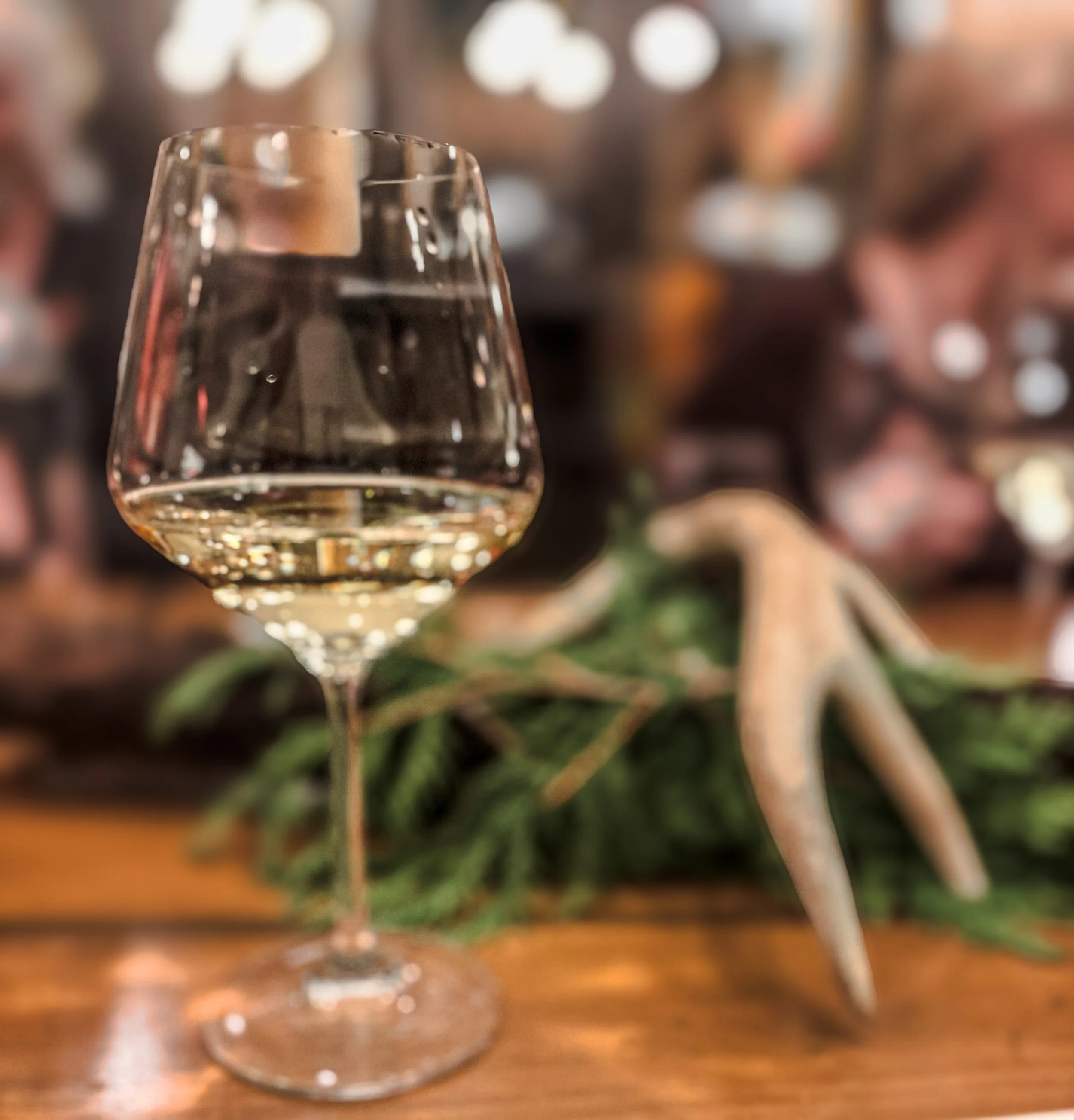
When I was growing up, my father taught me that every point leading up to the moment of plating what has been harvested must be handled with care, precision, and respect for both animal and land. As an adult, and wine professional, I realize that pairing wine correctly is a meaningful way to continue to honour the animal, and you don’t even need to be a trained sommelier to do it well. By considering a wine’s weight, acidity, structure and flavour profile, you can create thoughtful pairings that complement game without overpowering it. Making your wine choice the last intentional decision you make before reaping the rewards of the hunt, you can easily create a harmonious “what grows together, goes together” moment that elevates the entire meal.
Just like wine, game meat is terroir-driven. Each protein contains different flavours based on its’ habitat and more specifically, the animal’s diet. The bounty of Canadian vineyards offer a match for every capture, cut and dish, but here are a few easy guidelines to get you started on your 360-degree journey of gastronomic local love.
Ruffed Grouse and Pinot Gris
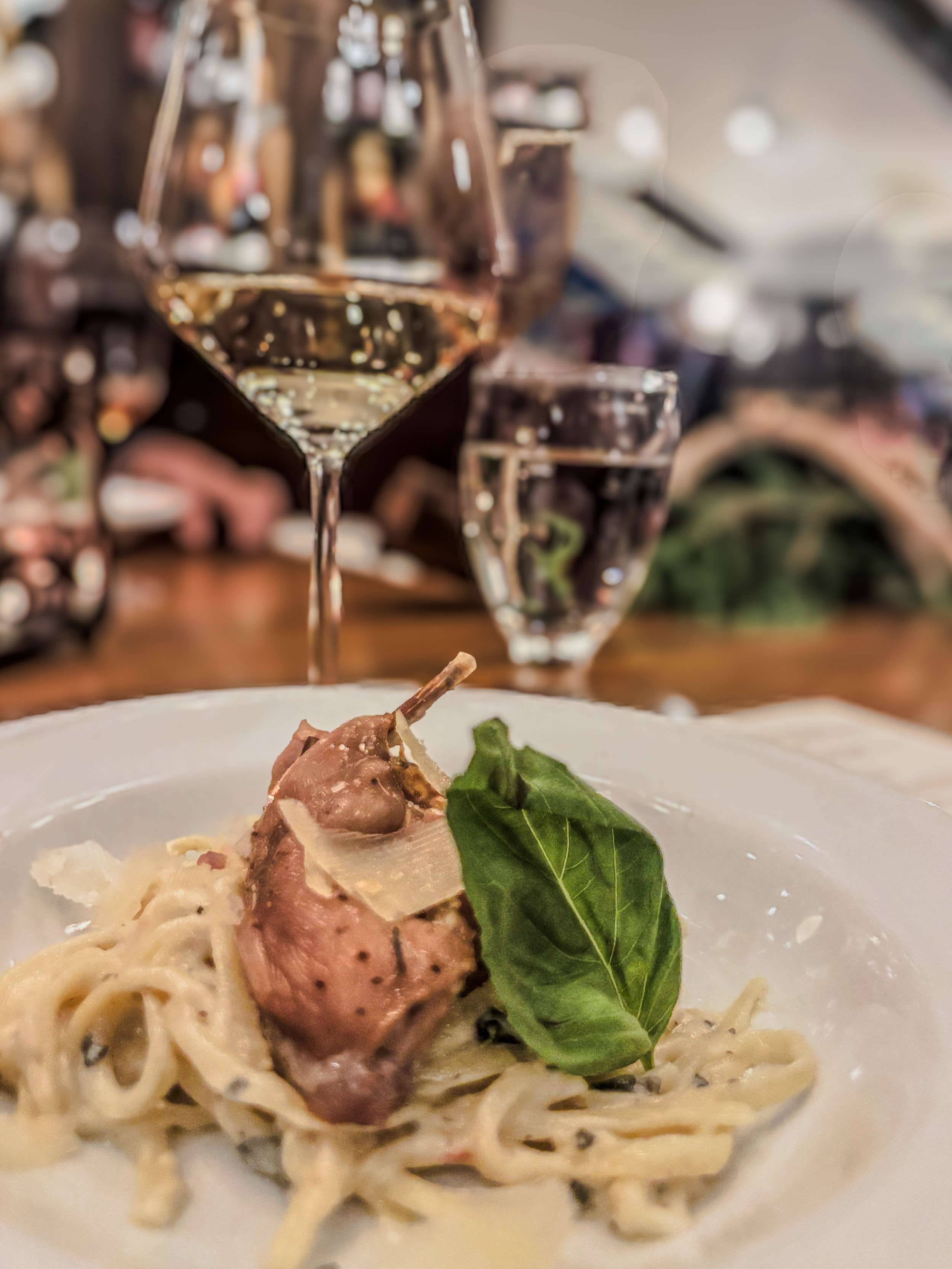
Why it works: From coast to coast, Canadian Pinot Gris can provide a wine with enough body to match the filminess or mineral element of ruffed grouse. Fruity flavours compliment the birds’ sweet and sometimes nutty profile, while offering enough acidity to balance the fat of a good butter-baste. Pinot Gris typically is light enough to not overpower the bird, but weighty enough to complement the texture of a properly cooked grouse.
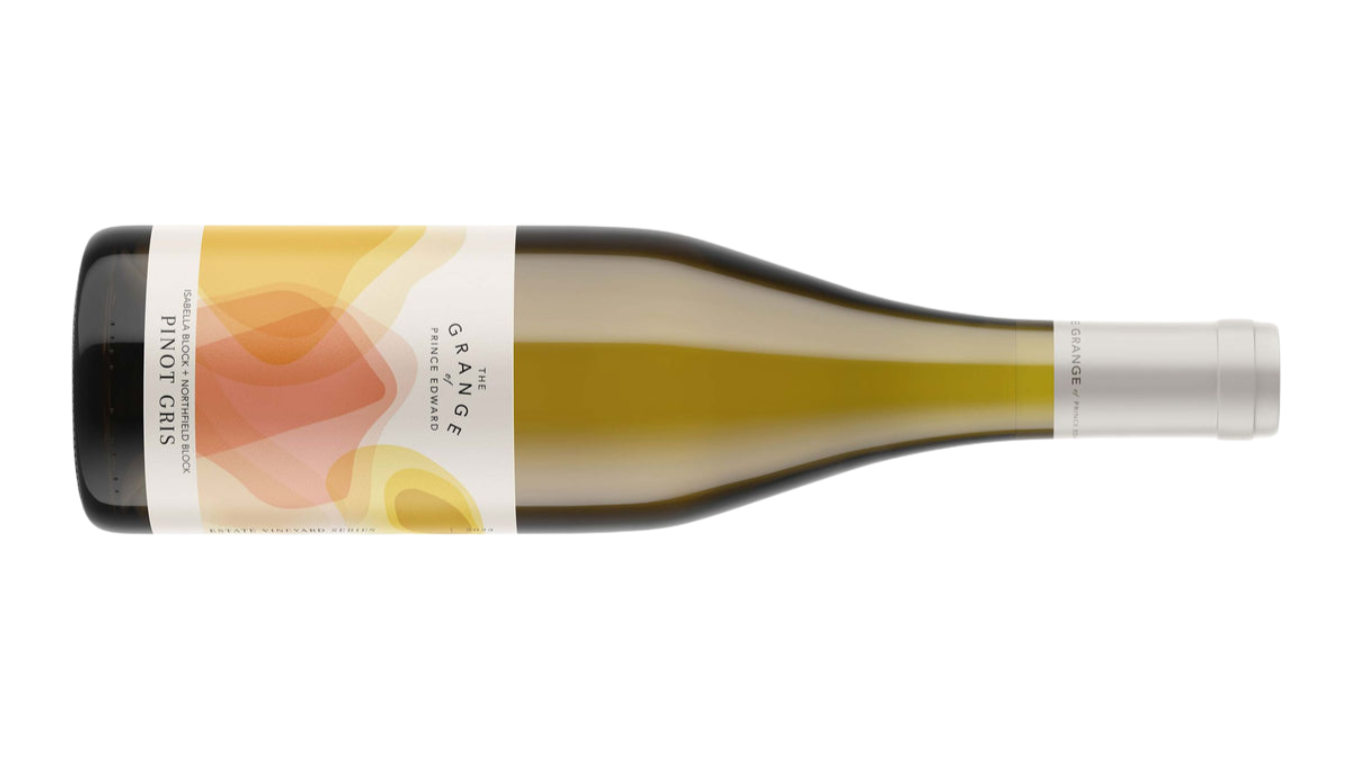
This Pinot Gris is crafted with estate grapes coming from the winery’s Isabella Block and Northfield Block within Prince Edward County, Ontario. Pear and carnation aromas exude from the glass offering an exciting lens on what’s to come. A ripe and silky texture reveals peach, pear and mandarin notes that flow along a river of lively acidity and fine mineral backbone. There’s some soft, luxurious weight thanks to brief lees contact, rounding out a pure profile that concludes with a lengthy, citrus finish.
Deer & Cabernet Franc
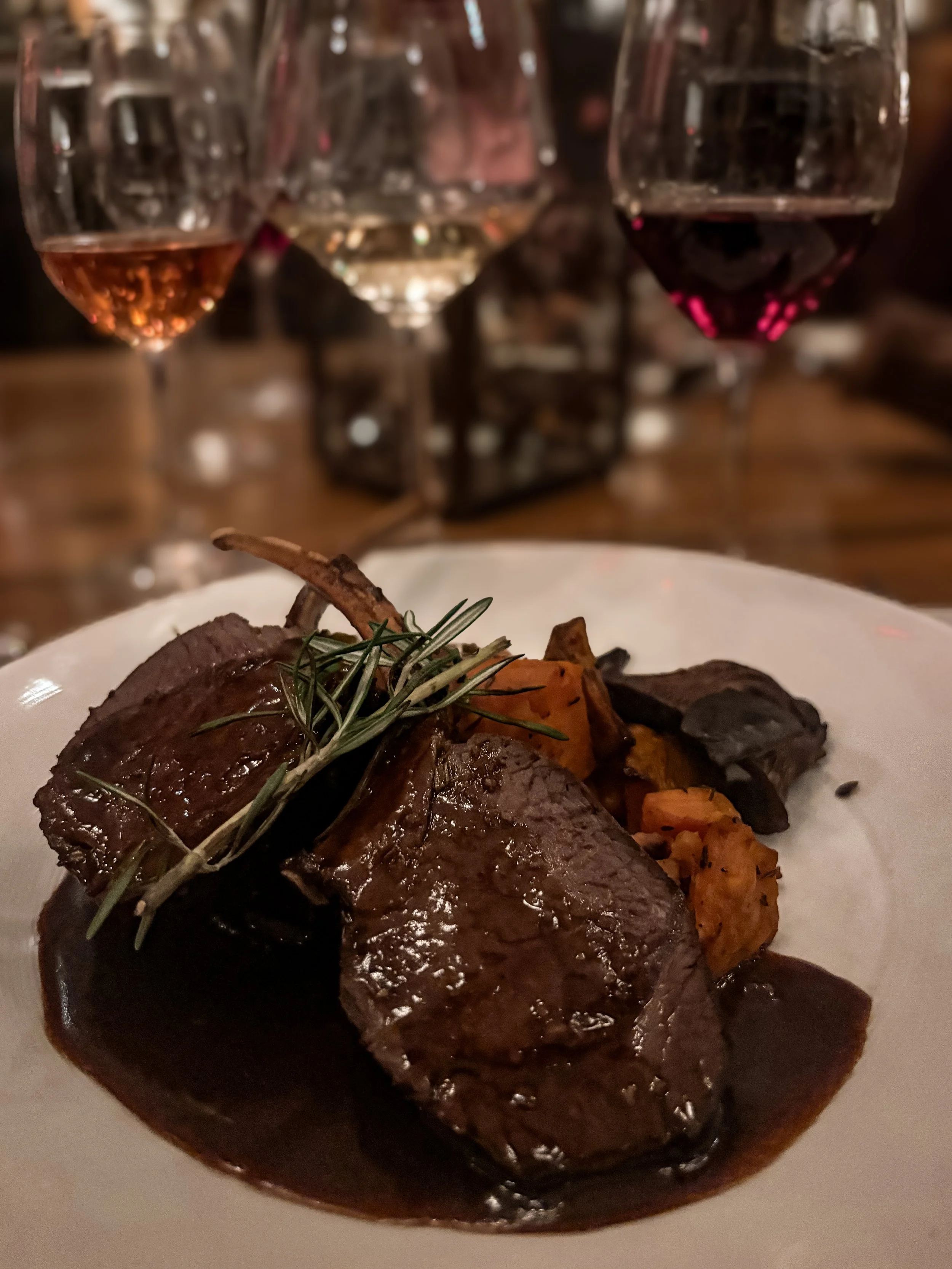
Why it works: – Cabernet Franc is one of Canada’s most prominent red wines as it truly shines from coast to coast in the hands of the nation’s top producers. Venison is one of the best, and certainly most natural pairing companion for this wine as it exemplifies Canadiana fare. Based on diet, field deer have higher fat content. In this case, reach for a cool-climate Ontario Cabernet Franc that is leaner in body with a higher acidity, to cut that fat and use its’ “outdoorsy” flavours to bring the dish to life. For deep woods deer that contain more muscle, and therefore a tighter meat grain, you can move to fuller bodied Cabernet Franc, like those of the Okanagan. These full-bodied cabs will typically have higher tannins and medium acidity to better balance the dish.
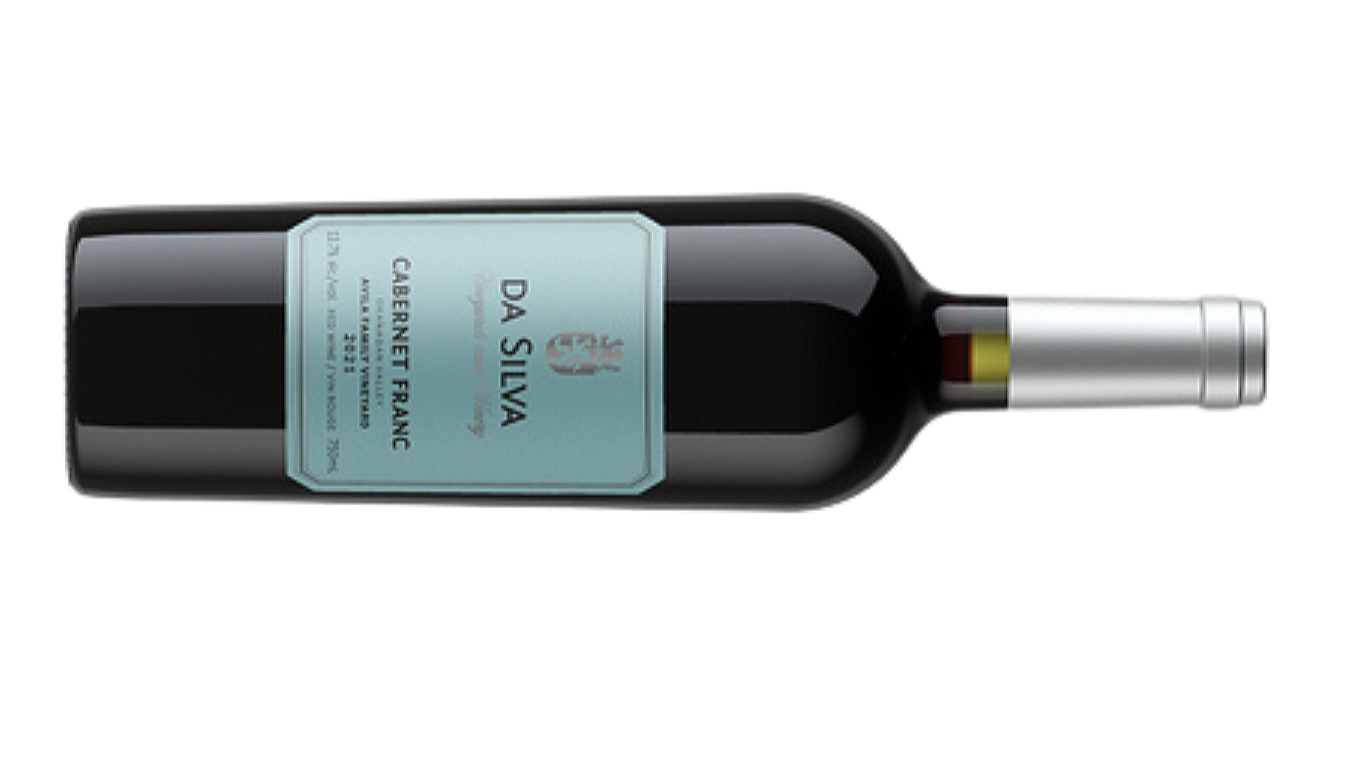
This is 100% Cabernet Franc from the Avila Family Vineyard in Oliver, British Columbia. Barrel aged for 20 months in 50% toasted American oak and 50% toasted French oak that’s carefully integrated within the wine. Complex and inviting aromas of licorice, dark cherries and paprika lead the way to a smooth palate with sweet oak, cherries, rosemary and thyme. The wine’s rounded tannins and medium acidity make this an easy drinking wine, while maintaining a complex and delectable profile.
Wild Turkey and Chardonnay
Why it works: Oaked or unoaked, still or bubbly, Canadian Chardonnay can make for the ultimate wild turkey pairing. The neutral character of Chardonnay offers subtle fruit and wheat notes that will complement the earthy/corn notes of wild turkey. Don’t forget, cooking style matters. Deep frying? Opt for an oaked or aged Chardonnay to increase the depth of flavour to match the wild turkey’s gamey nuances. Even sparkling wines (most white sparkling wine is Chardonnay based), will work well here too. Sparkling wine is an excellent pairing for fried foods as its high acidity acts as a perfect palate cleanser and will be a refreshing counterpoint to the turkey’s rustic flavour. Roasting? Try an unoaked, crisp Chardonnay that will lend enough acid to balance and support the savouriness of the bird.
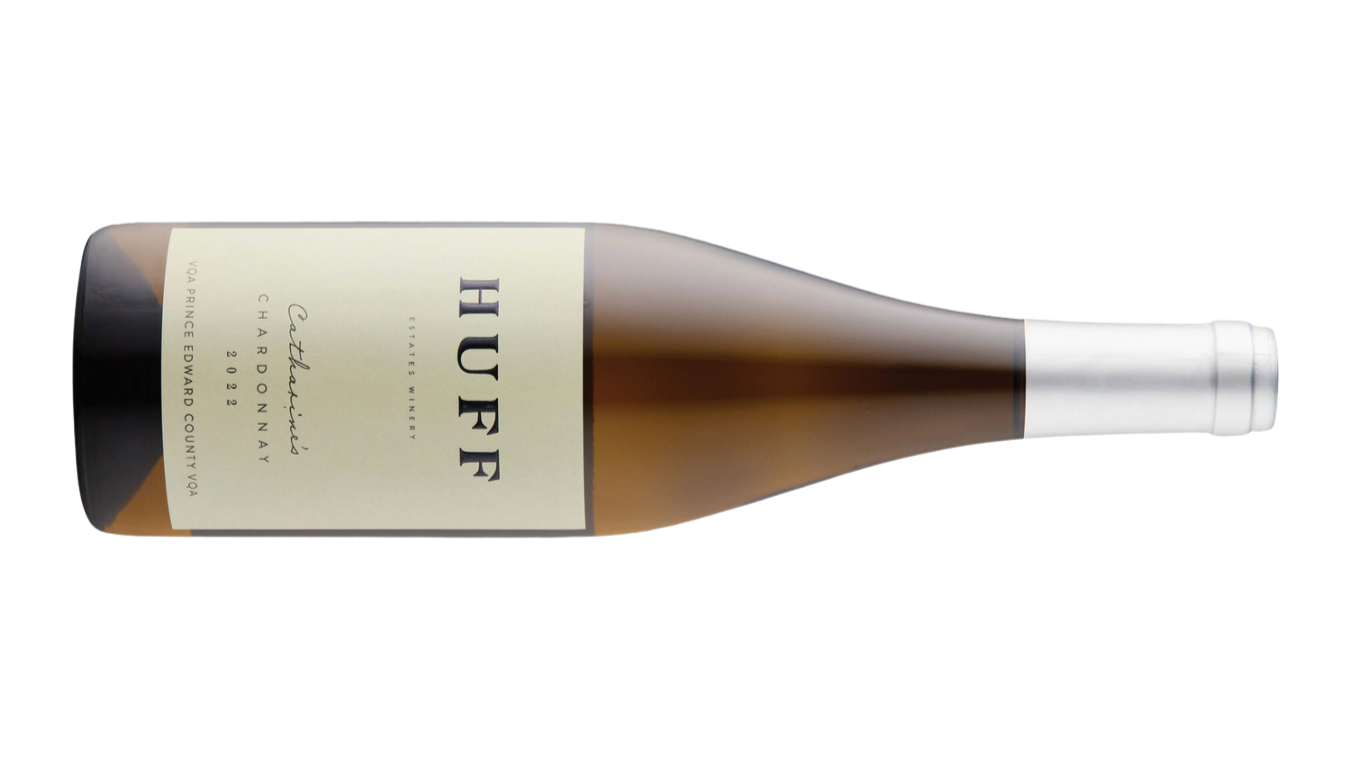
Buttercream and golden apple aromas introduce this elegant and smooth Prince Edward County Chardonnay. These same notes echo around faint hints of cedar that were gently crafted into the wine by its’ brief aging stint in French oak barrels. The real showstopper is a mineral chord that reverberates through the palate amplifying energy and a kind of kinetic acidity. Creamy and luxuriously silky, wrapping up with a prolonged finish.
Duck & Pinot Noir
Why it works: Duck and Pinot Noir are a classic pairing, and for good reason. As far as game birds go, duck has tight muscle fibers and a higher fat content, however, it acts as a tender and rich protein on the plate. The acidity in a Pinot Noir easily glides through the fat of the duck, while its cherry and raspberry flavours can act as a secondary “jus”. The structure of a Canadian Pinot Noir, including its’ lighter tannins, counterpoint the duck’s delicacy, but also expresses red berry fruit and forest-like notes in the glass that act as a prime flavour accompaniment to the most hunted game bird in the country. Top restaurants will season duck with the same flavours found in Pinot Noir, making this tried-and-true pairing an obvious choice.
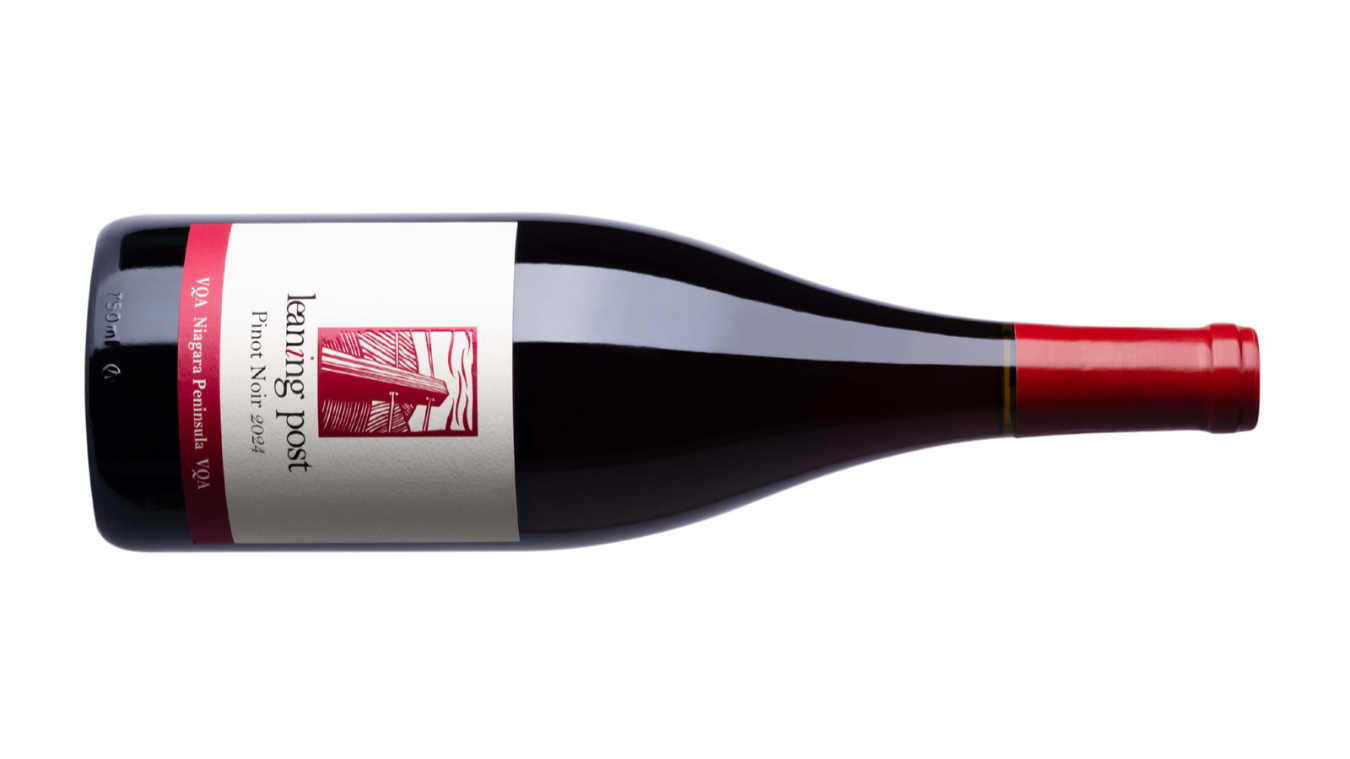
This oh-so-earthy Pinot Noir from Niagara opens with alluring aromas of dried cedar leaves, red berry, and cooked mushroom. Both savoury and juicy, its’ light-bodied palate delivers red cherry, wild raspberry and beet intertwined with notes reminiscent of a fall forest that draw towards a lip-smacking finish. This wine is cheerful and food-friendly while maintaining depth and solidifying the beauty of Ontario Pinot Noir.
Moose & Syrah
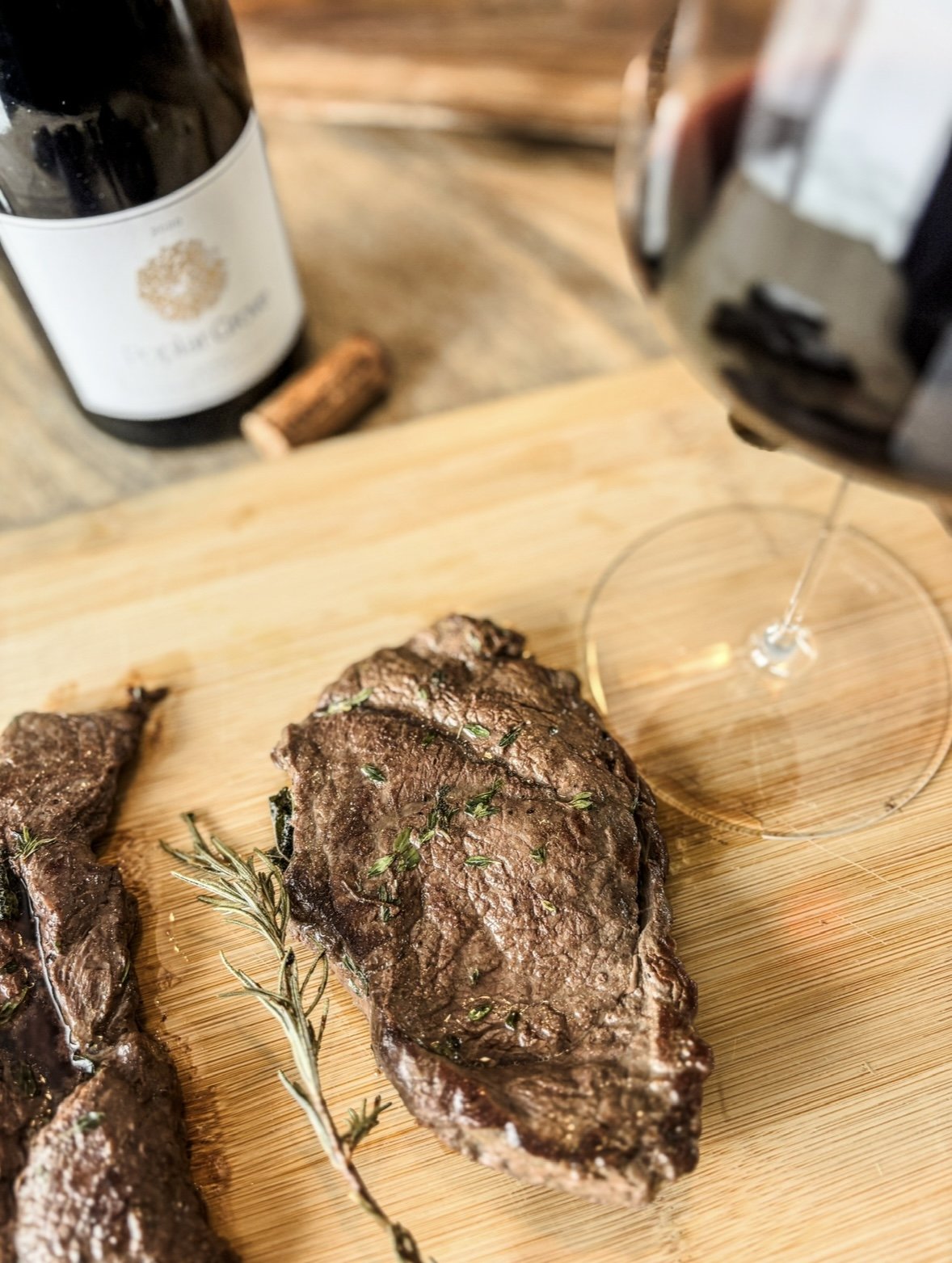
Why it works: Moose meat is extremely lean and dense. It pairs best with a full-bodied red wine that contains a strong tannin structure to match the tight grain of its textural mouthfeel. Canadian Syrah can differ greatly, but generally speaking, Syrah offers the prescribed structure for moose, while contributing layers of flavour (i.e. black pepper, dried herbs). These components will maximize flavour combinations with your cooking ingredients. Bonus tip – Many B.C. Syrah exemplify terroir-based savoury, sage notes, so adding a few leaves to the pan during the cook will enhance the pairing and mirror the wine’s earthy character.
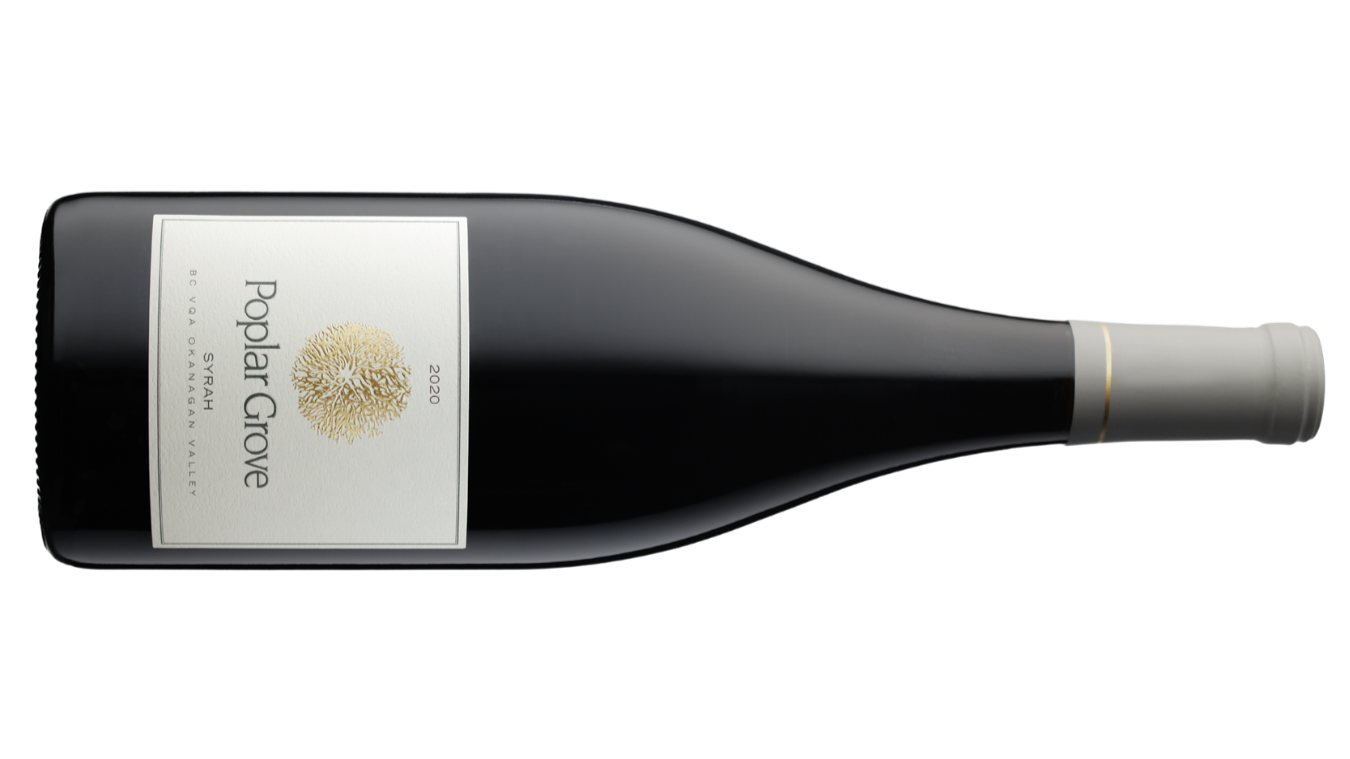
Coming from the Osoyoos region of the Okanagan Valley, this Syrah is crafted with a pinch of Merlot, Cabernet Franc, and Malbec for balance. A 15-month aging period in French oak results in a full-bodied Syrah, with a sturdy frame of tannins outlining a core of blackberries, purple plum, and dark earthy notes. Dried herbs peek out along the edges of the palate adding a defined, rustic profile. Well-structured and bold, ending with a long, coffee finish.
Using these basic game and grape pairings will have your tastebuds dancing, but to truly elevate your wine pairing experience, sip the wine as you cook. Does the wine show fruit-forward notes, like cherry or blackberry? Consider adding a compote or fruit-based jus to amplify those flavours. Does the wine taste herbal or savoury? Increase the dried herbs or aromatics in your dish to bring those elements forward. Don’t be afraid to take risks and experiment — you may discover a unique, delicious pairing that perfectly suits your palate. But above all, be sure to keep it Canadian.